Novavax COVID-19 vaccine now available for Michigan residents
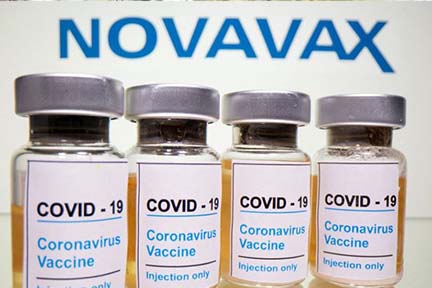
Press Release FOR IMMEDIATE RELEASE: August 11, 2022 CONTACT: Chelsea Wuth, 517-241-2112, WuthC@michigan.gov Novavax COVID-19 vaccine now available for Michigan residents ages 18 and older LANSING, Mich. – Michigan residents ages 18 and older now have another COVID-19 vaccine option – Novavax – to help protect them from serious illness and death due to the virus. On July 13, the U.S. Food and Drug Administration issued an Emergency Use Authorization for Novavax COVID-19 vaccine for use among people ages 18 years and older for a two-dose primary series. This was followed by Centers for Disease Control and Prevention’s (CDC) Advisory Committee on Immunization Practices’ recommendation for use of the Novavax COVID-19 vaccine in this population and endorsement by CDC. “Having multiple types of vaccine offers more options and flexibility for people receiving COVID-19 vaccines,” said Dr. Natasha Bagdasarian, MDHHS chief medical executive. “COVID-19 vaccines remain our best defense against the virus, helping prevent serious illness and death. We continue to urge Michiganders who have not yet been vaccinated to get the vaccine as soon as possible.” The Novavax COVID-19 vaccine is the first COVID-19 protein subunit vaccine recommended for use in the United States. During clinical trials, it was found to be over 90% effective in preventing serious illness from COVID-19. Adults ages 18 years and older should receive a two-dose primary series separated by three to eight weeks. A shorter interval of three weeks between the first and second doses is recommended for:
Currently, a booster dose using any COVID-19 vaccine is not authorized for adults in this age group who receive a Novavax primary series. A limited number of doses of Novavax COVID-19 vaccine will be distributed and not all providers are expected to carry Novavax COVID-19 vaccine. In Michigan, about 100,000 doses are available for order by vaccine providers. To locate providers offering Novavax, visit vaccines.gov. To date, over 6.7 million Michiganders ages 5 and up have gotten at least their first dose of safe and effective COVID-19 vaccines. Eligible Michiganders are encouraged to stay up to date on vaccinations, which includes booster doses that provide extra protection, and residents of long-term care facilities where outbreaks can spread quickly and extra protection is strongly recommended. MDHHS also encourages Michigan residents to pay attention to local guidance as some communities may be at a higher risk of COVID-19 transmission. To schedule a primary or booster dose of the COVID vaccine, visit vaccines.gov. To learn more about the COVID-19 vaccine, visit Michigan.gov/ For more information about COVID-19 in Michigan, visit Michigan.gov/coronavirus |

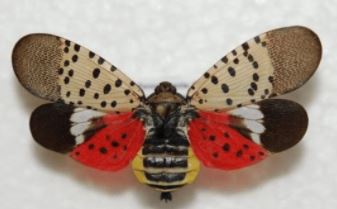

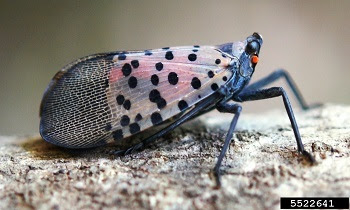 “Although not unexpected, this is certainly tough news to share due to its potential to for it to negatively impact Michigan’s grape industry,” said McDowell. “Spotted lanternfly has been moving closer to the state over the last few years. MDARD, along with our state, local and federal partners, has been working tirelessly to inform and educate growers and the public about this highly invasive insect.”
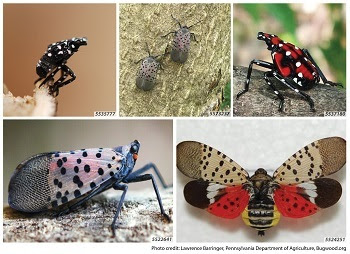 “MDARD and MDNR are working with the United States Department of Agriculture to define the extent of the infestation,” said Mike Philip, MDARD’s Pesticide and Plant Pest Management Division Director. “Although we can’t pinpoint exactly how it got here, it likely hitchhiked on nursery stock brought in from an infested state and has possibly been here for several months. We are in the assessment stage of response, but it is important to note that typical pest management techniques have not proven effective for eliminating the pest in other states.”
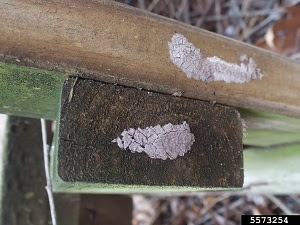 Spotted lanternfly moves easily on firewood, tires, campers, vehicles and more. Prevention and early detection are vital to limiting the spread of spotted lanternfly. If you find a spotted lanternfly egg mass, nymph or adult, take one or more photos, make note of the date, time and location of the sighting, and report it online to Eyes in the Field. Photos are necessary to verify a report and to aid in identification.


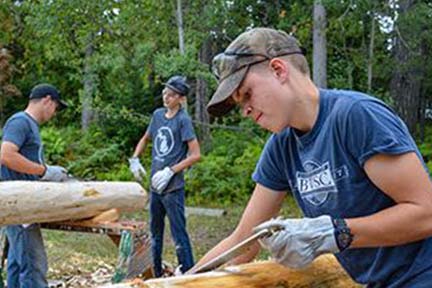

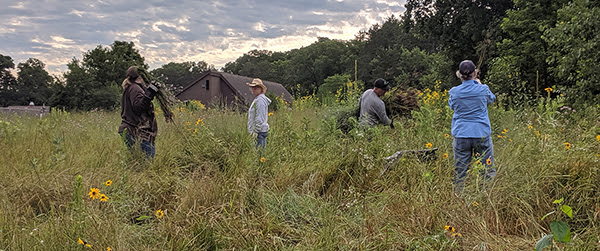
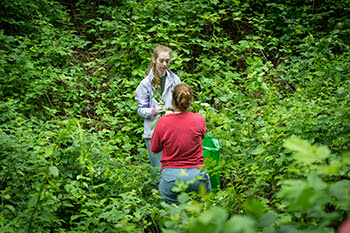 Several state parks in southern Michigan will host volunteer stewardship workdays in August. Volunteers are needed to help with removing invasive plants that threaten high-quality ecosystems.
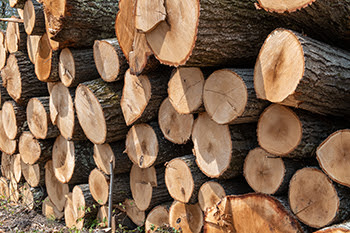 It’s time to talk about your state forests.
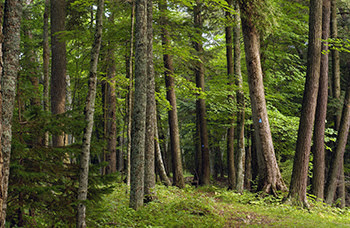 Staff recommendations on whether to keep, exchange or sell land in the fifth set of 10 counties in the DNR’s state land review process are nearing DNR director approval, but there’s still plenty of time to review and share feedback via the
 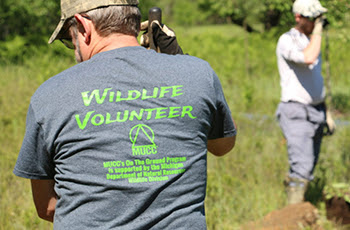 Help improve wildlife habitat and hunting access at state game and wildlife areas with