More Than $13,000 for Fostering Futures Scholarship Trust Fund

More Than $13,000 for Fostering Futures Scholarship Trust Fund
Treasury Logo

FOR IMMEDIATE RELEASE
June 18, 2025

Contact: Ron Leix, Treasury, 517-335-2167

Michigan Education Trust Pizza Party Raises More Than $13,000 for Fostering Futures Scholarship Trust Fund

More Than 300 Individuals Attend Annual Fundraiser on Michigan State Capitol Lawn
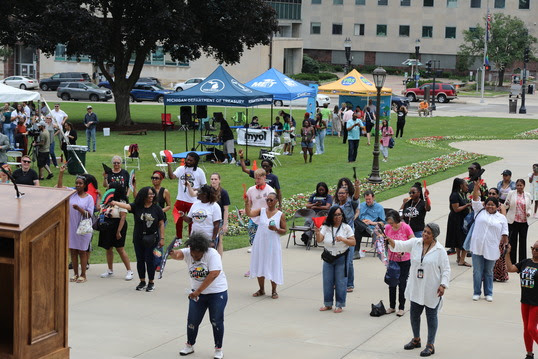
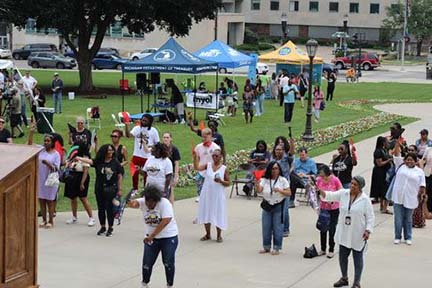
More than 300 individuals attended the Michigan Education Trust's 13th annual Pizza Party on the Michigan State Capitol Lawn on Wednesday, June 18.

Attendees participate in activities at the Michigan Education Trust’s 13th annual Pizza Party on the Michigan State Capitol Lawn on Wednesday, June 18. The pizza party raised $13,000 to help make the dream of a college education possible for students enrolled in Michigan colleges and universities who have experienced foster care. (Photo: Christopher Bryant/Michigan Department of Treasury)

LANSING, Mich. – The more than 300 people who attended the Michigan Education Trust’s 13th annual Pizza Party on the Michigan State Capitol Lawn got their fill of pizza and helped fill the Fostering Futures Scholarship Trust Fund, which awards scholarships to students enrolled in Michigan colleges and universities who have experienced foster care.

The $13,000 raised at the Wednesday, June 18, pizza party fundraiser will help make the dream of a college education a reality for students who otherwise might lack resources to pursue higher education when they age out of the foster care system.

For a minimum donation of $10, attendees received a slice of pizza, dessert and a drink.

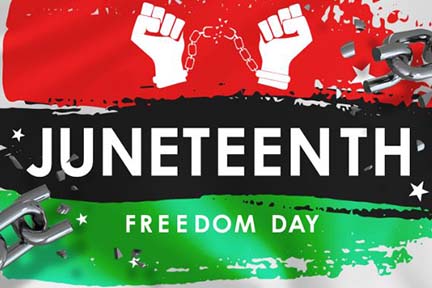
This year, the Michigan Department of Treasury’s Black History Committee partnered with the Fostering Futures Scholarship to hold a celebration in honor of Juneteenth.

Students who receive this scholarship can use the money for tuition, housing, books and other college expenses. Funds raised through the Fostering Futures Scholarship Trust Fund provide scholarships to young adults who have experienced foster care and are enrolled at a Michigan degree-granting college or university. Awards are paid to the students’ college or university for expenses.

Approximately10,000 youth are currently in Michigan’s foster care system. Nationally, fewer than 10% of former foster youth enroll in college after high school, and only 3% earn a degree. The Fostering Futures Scholarship Trust Fund, established in 2012, has raised more than $1.4 million through events and contributions.

In addition, over 140 pillows and more than 200 pillowcases were collected during the pizza party for The Pillow Effect, a Michigan Youth Opportunities Initiative (MYOI) project. Because children entering foster care often don’t have their essential personal items with them, donations will benefit counties across Michigan, including Ingham, Eaton, Clinton, Ionia and Shiawassee.

The Pizza Party on the Capitol Lawn is sponsored by Hungry Howie’s, Park West Foundation, Michigan Student Financial Aid Association, Michigan College Access Network, LAFCU, Güd Marketing, Michigan First Credit Union, WKAR PBS, the Michigan Association of Broadcasters, WLNS-TV 6, and MSU Federal Credit Union, with support from the Michigan Department of Health and Human Services and MYOI.

Couldn’t attend and want to make a difference?

Donate or register online using a credit card, or to make a donation by check, complete and submit the Fostering Futures Scholarship Contribution Form along with a check made payable to the State of Michigan — Fostering Futures Scholarship.

Contributions made by Dec. 31 are eligible for a tax deduction on federal and state income tax forms in the year they are made. MET’s Fostering Futures Scholarship Trust Fund is an IRC Section 170(c) organization, making all donations tax deductible.

To learn more about the Fostering Futures Scholarship Trust Fund or to donate, go to www.michigan.gov/fosteringfutures.

About MET

Administered by the Michigan Department of Treasury, MET is the state’s Section 529 prepaid tuition program, which allows for the purchase of future college tuition credits based on today’s rates. MET, Michigan Education Savings Program (MESP) and MI 529 Advisor Plan (MAP), Michigan’s three Section 529 college savings programs, offer Michigan taxpayers a state income tax deduction on contributions and potential tax-free growth on earnings if account proceeds are used to pay for qualified higher education expenses.

More information about MET is available at www.michigan.gov/setwithmet or 800-MET-4-KID (800-638-4543).

Gov. and Lt. Gov. Honor Juneteenth National Independence Day

Gov. and Lt. Gov. Honor Juneteenth National Independence Day

Office of the Governor

FOR IMMEDIATE RELEASE 

June 19, 2025

Contact: press@michigan.gov

Gov. Whitmer and Lt. Gov. Gilchrist Honor Juneteenth National Independence Day in Michigan

LANSING, Mich. — Today, Governor Gretchen Whitmer and Lieutenant Governor Garlin Gilchrist II proclaimed June 19 as Juneteenth National Independence Day in Michigan to honor African American history, celebrate the journey and achievements of African Americans while also commemorating the end of slavery in America.


“Juneteenth is a celebration of freedom where we recognize our nation’s past, celebrate the progress we’ve made, and recommit ourselves to building a better, brighter future for our all kids,” said Governor Whitmer. “In Michigan, we are proud to honor Juneteenth not only through our words, but with our actions. We come together to uplift Black voices and double down our mission year-round to invest in every region of the state, knock down barriers to opportunity, and ensure everyone, no matter who they are, has a fair shot at a more prosperous future.”


“Juneteenth is a powerful reminder of the resilience and strength of the Black community,” said Lt. Governor Garlin Gilchrist II. “As we honor Juneteenth, let us recommit ourselves to fighting for justice, opportunity, and dignity for every Michigander. This day is about truth, resilience, and progress. It’s about understanding the pain of the past and keeping faith in the promise of the future. Let us keep Standing Tall for equality and justice for all.”


June 19th commemorates the day in 1865 when Union Army General Gordon Granger landed in Galveston, Texas and read General Order #3, stating that all enslaved people were free, and that former masters and enslaved people were absolutely equal in personal and property rights. Juneteenth became a federal holiday in 2021 in the United States, reflecting its importance in the nation’s history and the ongoing pursuit of equality. This day has since evolved into a celebration of African American culture and heritage, recognizing the struggles and honoring the contributions of Black Americans throughout history.


“Today we remember the day that gave a blessing that rendered Black individuals free — an awaited day that came far too many years delayed,” said state Rep. Amos O’Neal (D-Saginaw), chair of the Michigan Legislative Black Caucus. In this day and age, we’ve witnessed hate continue to rise. With diversity, equity and inclusion blatantly under attack and attempts to erase Black history mounting, we must all do our parts to continue combatting division in our state and country. As we remember the past, we must all find strength to channel nonviolence, kindness and perseverance to free our society from the systemic and systematic oppression that continues to pull down Black and Brown people. Today we remember and we continue to rise above the tribulations that remain.”


“We recognize the diligence of our ancestors who made the ultimate sacrifice by building this country through blood, sweat, and tears, and acknowledge our contributions to civilization,” said DeWaun Robinson, Chair of 53rd annual Traditional Flint Juneteenth. “Juneteenth signifies the trials and tribulations of African Americans, but also highlights the strength of our culture to advance this nation. The blood of our people is embedded within the soil of this country. For Black history is American history. Our story is not lost; everything is aligning through spiritual divinity. The time is now to stand on the right side of the struggle. Be bold, live diligently, and stay strong in the fight.”


“Juneteenth is not just a celebration—it’s a charge. A charge to dismantle the remnants of slavery still laced in our laws, our schools, and our streets,” said Byron D. “MoSoul” Brooks, BLAC Member.  “Freedom did not ring once—it must keep ringing, until every Black soul is fully seen, fully free, and fully Liberated.”


“When people are allowed to show up as their authentic selves they will always authentically perform at the highest level of proficiency and productivity,” said Minister Teferi Brent, BLAC Safety & Justice Chair. “This act not only benefits the employees directly impacted but it also benefits employers.”


“Juneteenth marks the true end of slavery in the United States, a painful and pivotal chapter in our nation’s history,” said Harold A. Pope, President  of NAACP Lansing Branch. “As Ida B. Wells said, “The way to right wrongs is to turn the light of truth upon them.” Celebrating Juneteenth is a way to keep that light of truth shining.”


“For me, Juneteenth is a sacred reminder that while freedom was delayed, it was never denied,” said Dr. Shawnrece Butler, Assistant Vice President, Office of Opportunity, Empowerment, & People at Northern Michigan University.  “I carry the hope and courage of those who came before me—and I work each day to make space for those yet to come.”


Building the most inclusive government in Michigan history 

  • Appointed more than 500 Black Michiganders to boards, commissions, and full-time positions.
  • Over ¼ of judicial appointees are Black, including the first Black woman on the Michigan Supreme Court.
  • Created the Black Leadership Advisory Council to help tackle racial inequity in Michigan.
  • Vetoed bills that would have disenfranchised and intimidated voters.
  • Enacted a mental health parity law that requires insurers to cover treatments for mental health and substance use disorder at the same level as physical health services to ensure protection and coverage for Michigan families that utilize mental health services.
  • Quintupled the Michigan Working Families Tax Credit to give over 700,000 working families an average tax refund of $3,150.
  • Allocated a total of $117 million in the FY 2025 budget toward the Healthy Moms, Healthy Babies program.
  • Signed a budget providing free breakfast and lunch to all of Michigan’s 1.4 million public school students savings parents $850 per year.
  • Rolled back the retirement tax to save 500,000 households an average of $1,000 a year.
  • Established the Racial Disparities Task Force and made “lasting structural change.” Released a report detailing progress made and actions still to be taken to close disparities.
  • Signed the bipartisan CROWN Act, banning hair discrimination.
  • Signed bipartisan bill recognizing May 2 as Negro Leagues Day in Michigan.


To view the proclamation, click here.

Why do we need a green light to enter a freeway?

Why do we need a green light to enter a freeway?

 
MDOT header (SOM branding)Talking Michigan Transportation (TMT) banner with the Mackinac Bridge.

Why do we need a green light to enter a freeway?

After a long hiatus, Michigan is again implementing ramp metering, which helps regulate the flow of traffic from ramps onto busy freeways. It will be used on the I-96 Flex Route portion in western Oakland County.

A graphical representation of ramp metering on a freeway.On this week’s Talking Michigan Transportation podcast, Sarah Gill, operations engineer for the Michigan Department of Transportation’s (MDOT) Metro Region, talks about how it will work and the history of ramp metering in Michigan.
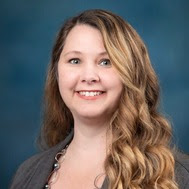
Sarah Gill, operations engineer for the Michigan Department of Transportation’s (MDOT) Metro Region.Gill explains the key reasons for implementing ramp metering, which include improving merging, reducing crashes and reducing travel times. An MDOT how-to video offers guidance on the concept.

Next week’s episode will delve farther into the topic and include conversations with a traffic safety engineer with the Colorado Department of Transportation (CDOT), who will talk about how successful the concept has been in the rapidly growing Denver area. You’ll also hear a national perspective from the director of safety and mobility at the American Association of State Highway and Transportation Officials (AASHTO).

Listen now at https://www.buzzsprout.com/1374205.

Stay connected by subscribing to Talking Michigan Transportation e-mail updates. 

OC Winners of First Juneteenth Art & Essay Contest

OC Winners of First Juneteenth Art & Essay Contest

Oakland County Announces Winners of First Juneteenth Art & Essay Contest

Post Date:06/18/2025 2:44 PM


LEFT: Sangamitra Sivachandran Narmadha, Ella Bunao, David Coulter, Shiv Lohia, Kairav Joshi and Zuri Earth

LEFT: Sangamitra Sivachandran Narmadha, Ella Bunao, David Coulter, Shiv Lohia, Kairav Joshi and Zuri Earth

Pontiac, Mich. – Oakland County is proud to announce the winners of its first Juneteenth Art & Essay Contest, recognizing student creativity and reflection on the theme, “Juneteenth: What does Freedom and Equality mean to me?” The contest is part of the county’s annual Juneteenth Celebration, which took place today near the south entrance of the Oakland County Circuit Court building in Pontiac.

The event commemorates the end of slavery in the United States on June 19, 1865, and the ongoing pursuit of equality for all. The event commemorates the end of slavery in the United States on June 19, 1865, and the ongoing pursuit of equality for all. Oakland County Executive Dave Coulter joined community leaders, residents and students for a vibrant festival featuring live music, food trucks, speakers, games and the raising of the Juneteenth flag under the theme “Stronger Together: Celebrating Freedom & Community.”

“This celebration reflects Oakland County’s deep commitment to inclusion, belonging and a future where every resident is valued and welcome,” said Coulter. “The insight and heart in these student essays and artworks are powerful and inspiring.”

Winners were announced at the Juneteenth Celebration today and received a $150 gift card.

2025 Oakland County Juneteenth Art & Essay Contest Winners

Art Category Winners

  • Grades K–3: Derek Flores – Blanche Sims Elementary School in Lake Orion
  • Grades 4–7: Sangamitra Sivachandran Narmadha – Martell Elementary School in Troy
  • Grades 8–12: Zuri Earth – Cass Technical High School in Detroit, Oakland County resident
  • Post-Secondary Vocational: Taylor A. Buens – Jardon Vocational School in Ferndale

Essay Category Winners

  • Grades K–3: Shiv Lohia – Brookfield Academy in Troy
  • Grades 4–7: Kairav Joshi – West Bloomfield Middle School
  • Grades 8–12: Ella Bunao – Athens High School in Troy

Here are some essay highlights:

Ella Bunao (Grades 8–12) of Athens High School explored the significance of Juneteenth and how freedom and equality must be actively pursued. She wrote, “Freedom means being able to live your life without fear, to speak your mind, and to make your own choices. Equality means that everyone, no matter their skin color, background, or beliefs, should be treated with the same respect and given the same opportunities.

Kairav Joshi (Grades 4–7) from West Bloomfield Middle School highlighted the power of young voices in building a more inclusive and respectful society. “Freedom lets me be myself… Equality makes sure no one is left behind,” he wrote.

Shiv Lohia (Grades K–3) of Brookfield Academy compared fairness to cookie-sharing and equality to an egg experiment in school. He wrote, “If there is freedom and equality everywhere, there’ll be no more wars. Everyone will be happy and that’s the kind of world that will be beautiful and peaceful.”

Michigan records lowest rate of infant mortality in its history

Michigan records lowest rate of infant mortality in its history

MDHHS banner with logo no names

Press Release


FOR IMMEDIATE RELEASE: June 18, 2025

CONTACT: Lynn Sutfin, 517-241-2112, SutfinL1@michigan.gov

Michigan records lowest rate of infant mortality in its history;
continues focus on resources to keep moms, babies healthy
Multidisciplinary group of partners gather to advance maternal, infant
and family health at 8th annual Maternal Infant Health Summit

LANSING, Mich. – As the state marks the lowest recorded infant mortality rate in its history, attendees of the 8th annual Maternal Infant Health Summit gathered today and Tuesday to share ideas on how to continue efforts to improve the health of Michigan moms and babies. The event, hosted by the Michigan Department of Health and Human Services (MDHHS), convened a multidisciplinary group of state and national partners.

“We are proud of the improvements we are making and will continue to make when it comes to the health of moms and babies,” said Elizabeth Hertel, MDHHS director. “The dedication of Governor Whitmer and the legislature, quality work conducted by partners across the state and collaboration with Michigan families and communities are key to our current and future success.”

Infant mortality is defined as the death of a live born infant prior to their first birthday; the top three causes are prematurity and low birth weight, congenital anomalies and accidents and adverse outcomes.

In 2023, 607 infants under the age of one died and the state’s infant mortality rate declined to 6.1 infant deaths per 1,000 live births. While there is still work to be done, this is a decrease from 2022’s, 650 deaths and 6.3 deaths per 1,000 live births. Deaths among Black infants fell to 11.9 deaths per 1,000 live births in 2023, also a record low. This is a reduction from 2022’s 14.1 deaths per 1,000 births, however, this rate is still nearly three times the rate of white infant deaths.

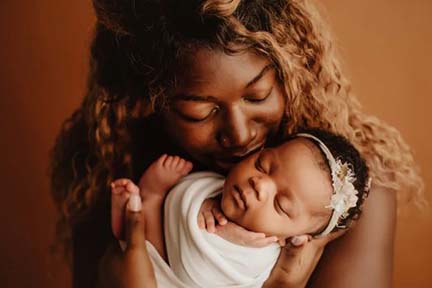
MDHHS continues to focus efforts on keeping moms and babies healthy through the Healthy Moms, Healthy Babies initiative that was launched in 2021 to improve health outcomes and reduce disparities. It includes the expansion of postpartum Medicaid coverage to one year after birth and programs designed to assist families through pregnancy, birth and beyond, such as doula services and the Centering Pregnancy model of care.

Doula services associated with improved birth outcomes 

Doulas provide non-clinical physical, emotional and educational support services to pregnant individuals during prenatal, labor and delivery and postpartum periods. Doula services have been shown to positively impact social determinants of health, support birth equity and decrease existing health and racial disparities.

During her fourth pregnancy, Mia Jones of Detroit found the support and guidance she was seeking with doula services from Black Mothers Breastfeeding Association (BMBFA). The experience was so positive, Jones became a Mommy Ambassador for BMBFA, sharing her story and supporting other mothers as they go through their pregnancies.

“Every pregnancy and birth are special and different,” Jones said. “I knew a little bit about having doula services, but wasn’t able to find or utilize a doula during my three previous pregnancies. Black Mothers Breastfeeding Association and the doula they provided me became the village and support I was searching for. My maternal health and the health of my unborn child was a concern for me considering my age, race and fourth pregnancy. I was looking for support I hadn’t received in my previous pregnancies including having a birth plan and breastfeeding for the first time. It was also important to me to receive emotional support because I was a high-risk pregnancy. My doula provided me with everything I wanted and more. I don’t think I could have gotten through my pregnancy without the support of my doula. This experience allowed me to have a voice to inform, educate and advocate in my community for doula services. The presence of a doula during a woman’s pregnancy is not only powerful, but very essential to positive maternal health outcomes.”

There are currently more than 700 doulas on the MDHHS Doula Registry; nearly 500 of which are Medicaid-enrolled providers.

Robena Hill has served as a doula for seven years as part of BMBFA and is a member of the state’s Doula Advisory Council. Her work is rooted in love, advocacy and education, and she ensures the families she serves are informed about safe sleep practices and the realities of infant and maternal mortality.

“I’ve walked alongside countless families during one of the most sacred and vulnerable times of their lives,” said Hill. “The loss of two babies to sudden infant death within my doula journey forever changed me. It deepened my commitment to ensuring every family I serve is equipped with the tools and knowledge they need to create safe sleeping environments and make informed decisions. Every mother I support in labor is a life I fiercely protect not only to help bring their baby into the world safely but to make sure they survive childbirth as well. Black women are three to four times more likely to die from pregnancy-related complications, and that’s unacceptable.”

Active as a trainer and mentor, Hill says she is extremely proud to help guide new generations of doulas to help continue improving birth outcomes in the state.

“We are building a stronger, more informed and more compassionate birth community, one that uplifts, protects and advocates for every mother and baby, especially those in the Black community,” Hill said.

CenteringPregnancy offers an innovative approach to prenatal care  

CenteringPregnancy is a model of care that integrates routine prenatal care and extra education about health, pregnancy and parenting within a group setting. It brings together moms due at the same time for discussion and interactive activities designed to address health topics including nutrition, common discomforts, stress management, labor and delivery, breastfeeding and infant care.

In Michigan, there are currently 35 CenteringPregnancy sites and three CenteringParenting sites.

Grassroots efforts address local needs 

Michigan Perinatal Quality Collaboratives are a network of diverse partners working to improve outcomes for mothers and babies. Nine regional perinatal quality collaboratives bring together health care professionals, community partners, families, faith-based organizations, Great Start Collaboratives, home visiting agencies and others to address clinical care and environment, socioeconomic factors and health-related behaviors.

In FY24, the collaboratives identified key areas to focus on within their respective regions and provided $5 million in grant funds to 141 community-based projects. These projects spanned across all four priority areas of the Advancing Healthy Births plan, supporting breastfeeding, access to doula services, infant safe sleep education, increased access to prenatal and postpartum care, behavioral and mental health support and community health workers.

In FY25, the collaboratives are providing another $5 million for additional community-based projects. In addition, each region is focusing on improving cardiac care in pregnant and postpartum patients.

Improving care at birthing hospitals 

The Michigan Alliance for Innovation on Maternal Health (MI AIM) equips hospitals with best practices, including protocols and staff education, that make birth safer, improve maternal health outcomes and save lives. Currently, 89% of the state’s birthing hospitals are participating in MI AIM, with more than 80% implementing both hypertension and hemorrhage patient safety bundles.

In FY24, Michigan birthing hospitals were provided funding to apply to The Joint Commission’s Maternal Levels of Care (MLC) Verification Program, resulting in 53 of Michigan’s 75 birthing hospitals applying to the program.

For more information about programs to improve the health and well-being of women, infants, families and communities, visit MDHHS’ Maternal & Infant Health webpage.