
Warning on Grandparent, Family Emergency Scam
|
Media Contact: Kelly Rossman-McKinney FOR IMMEDIATE RELEASE: AG Nessel Warns Against New Spin on Grandparent, Family Emergency ScamLANSING – Michigan Attorney General Dana Nessel is once again reminding Michiganders to be on alert for grandparent and family emergency scams following recent reports of different variations of this scam. In a consumer alert that was reissued today, Nessel provides tips on how to identify and avoid becoming victims of grandparent and family scams. In a period of five days, two mid-Michigan mothers each received calls from purported kidnappers demanding a ransom for their daughters’ return. In each instance, the caller knew the daughter’s name and demanded payment by wire. Both were scams. In an earlier instance, a couple of grandparents were tricked out of $33,000. They wire transferred $3,000 to someone they thought was their grandson after he called and claimed he was caught fishing without a license in Canada and needed to pay a $3,000 fine. They were taken for an additional $30,000 after the supposed grandson called again to say that alcohol and drugs were found when his boat was searched, and he needed $30,000 to post bond to get out of a Canadian jail. While there are numerous variations of the typical grandparent scam, they are alike in their tactics. “Bad actors will stop at nothing to get your money or personal information – that includes exploiting your love and concern for your family members,” Nessel said. “My office is committed to ensuring Michiganders are protected from these con artists and that they are aware of best practices to avoid these scams.” Avoid Being Scammed Be suspicious when you receive a telephone call where:
If you receive such a call, you should verify the identity and location of the child or grandchild claiming to be in trouble. You should hang up and call another family member who can confirm your child or grandchild’s whereabouts. Try calling them at the telephone number through which you normally reach them. Stay calm and avoid acting out of a sense of urgency. Do not wire money unless you have verified with an independent third party that your child or grandchild is truly in trouble. In addition, never give out any personal identifying information such as bank account or credit card numbers to anyone who calls you on the phone. Con artists will lie, cheat, steal, and make up plausible stories to convince you to wire money or divulge sensitive information. The callers are often professional criminals who are skillfully able to get you to wire money or give personal information before you have time to properly assess the situation. If you’ve wired money to a scam artist, call the money transfer company immediately to report the fraud and file a complaint. You can reach the complaint department of MoneyGram at 800-MONEYGRAM (800-666-3947) or Western Union at 800-448-1492. Then, file complaint with your local police department and the Federal Trade Commission (FTC). Visit the FTC’s website, or call toll-free, 877-FTC-HELP (877-382-4357); TTY: 866-653-4261. In addition, if the request for money involved a wire transfer to Canada, Canadian officials in the Anti-Fraud Call Center ask victims to report the fraud at their PhoneBusters hotline at 888-495-8501 or on their PhoneBuster’s website. As always, your connection to consumer protection is just a click or phone call away. A library of consumer alerts and additional resources are available 24/7 by clicking here. Consumer complaints can be filed online at the Attorney General’s website, or by calling 877-765-8388. |






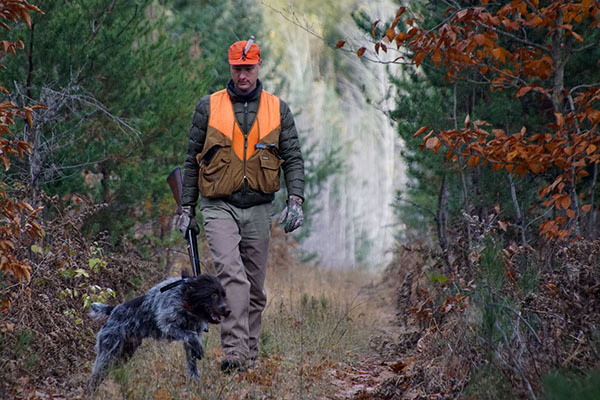 March 30, 2021
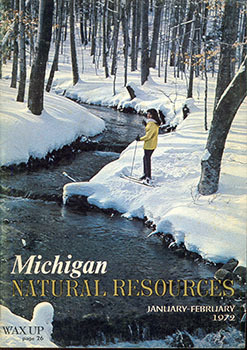
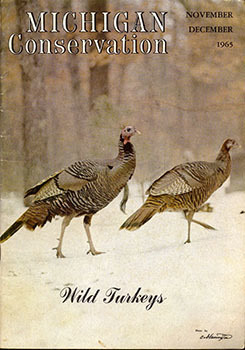 One hundred years ago today, the Michigan Department of Conservation – the precursor to the Michigan Department of Natural Resources – was created as part of a state government reorganization effort by then Gov. Alex Groesbeck.
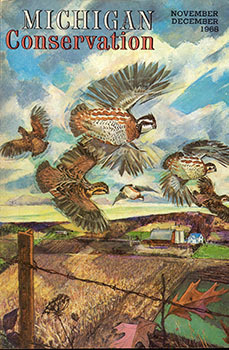 In 1968, the name of the Michigan Department of Conservation was changed to the Michigan Department of Natural Resources to reflect widening responsibilities.
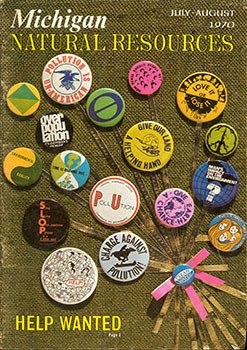 “That’s one of the remarkable things about what we have here in this state, that the story of the Department of Natural Resources is as much a story about the citizen conservationists across our state and throughout our history who have supported our work, stood side-by-side with us as we have worked to recover species, help to identify places the department needs to be pointing effort and pointing work towards,” Eichinger said. “The species that we have stewardship responsibility for are the fortunate beneficiaries of that tremendous partnership with state government, our citizens, federal actors, the non-profit community. It’s a fantastic and important part of the story of conservation.”
 “We obviously are dealing with the negative effects of climate change and how that’s expressing itself on the landscapes that we manage,” Eichinger said. “And so, we’re going to need to start to pivot our management approach just a bit to be thinking a little bit more about how we create resiliency on the landscape in the face of change through climate change: invasive species, fish and wildlife health, those kinds of things.”
 Stay informed, stay safe: