
AG Nessel Urges FDA to Ensure Affordable Insulin

AG Nessel Urges FDA to Ensure Affordable Insulin

Attorney General Dana Nessel

Media Contact:

Ryan Jarvi
(o) 517-335-7666 (c) 517-599-2746

FOR IMMEDIATE RELEASE:
Wednesday, September 2, 2020

AG Nessel Urges FDA to Ensure Affordable Access to Insulin, Joins 22 AGs in Letter Encouraging Competition in Prescription Drug Market

23 State and Territory AGs Concerned Expansive Reading of the “Orange Book” Blocks Generics for Insulin and Other Drugs  

LANSING – Michigan Attorney General Dana Nessel has joined a bipartisan coalition of 23  attorneys general in signing a letter urging the Food and Drug Administration (FDA) to prohibit use of the publication “Approved Drug Products with Therapeutic Equivalence Evaluation” – commonly known as the Orange Book – to block competition. In a letter sent Tuesday, the attorneys general argue that by permitting the entry of drug delivery devices into the Orange Book, the FDA would be allowing drug companies to keep the price of insulin inflated.

The Orange Book enables branded drug manufacturers to obtain an automatic 30-month suspension of the FDA’s approval of any potential generic competitor claiming a listed patent. Because of this, Orange Book eligibility requirements for patents are extremely important and are ripe for abuse by drug delivery device manufacturers.

The comment letter describes insulin delivery devices as an example of how this practice can contribute to higher prices and limited options, and the detrimental impact that has on our society. Despite having been discovered almost a century ago, there are few generic insulin products, in part, because insulin manufacturers listed drug delivery device patents improperly in the Orange Book. Current research indicates that one in four Americans with diabetes has reported cost-related skimping or skipping on an insulin dose due to a near tripling of costs over the past decade for the four most common insulin formulations.

“Michiganders are among the millions of people across this country who depend on their insulin doses to make it through each day and they shouldn’t have to ration those doses simply because of a technicality that impedes their access to affordable medicine,” said Nessel. “My colleagues and I are urging the FDA to take action to ensure their processes don’t stand in the way of more affordable drugs.”

In the letter — a response to a call for public comment by the FDA — the attorneys general express their concern with the affordability of drugs and devices and call on the FDA to prohibit companies from listing device and component patents in the FDA’s Orange Book. This request is consistent with the recent First Circuit decision in In re Lantus, which addressed component patents, and in the spirit of the Hatch-Waxman Drug Price Competition and Patent Term Restoration Act, which established a balanced framework to benefit drug development and accessibility.

Attorney General Nessel joins the attorneys general of Alaska, Colorado, Connecticut, Delaware, the District of Columbia, Hawaii, Idaho, Illinois, Iowa, Maine, Maryland, Minnesota, Mississippi, Montana, Nevada, New Mexico, Oregon, Puerto Rico, Rhode Island, Virginia, Washington, and Wisconsin in submitting the comment letter.

DNR News Digest – Week of Aug. 31, 2020

News Digest – Week of Aug. 31, 2020

hiker header

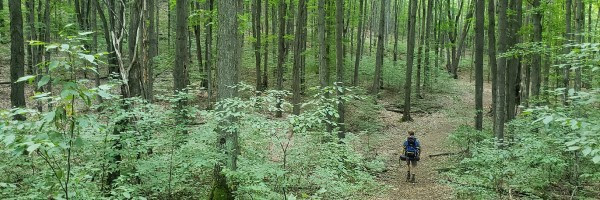
Being prepared for any situation can help keep your outdoor adventure enjoyable.

Some of the items in this week’s news digest reflect the impact of COVID-19 and how the Michigan Department of Natural Resources is adapting to meet customers’ needs. Public health and safety are our biggest priorities, and we will continue to share news and information about the safest, and sometimes new, ways to enjoy our state’s natural and cultural resources.

Follow our COVID-19 response page for FAQs and updates on facilities and reopening dates. For the latest public health guidelines and news, visit Michigan.gov/Coronavirus and CDC.gov/Coronavirus.

Here’s a look at some of this week’s stories from the Department of Natural Resources:

See other news releases, Showcasing the DNR stories, photos and other resources at Michigan.gov/DNRPressRoom.

PHOTO FOLDER: Larger, higher-res versions of the images used below, and additional ones, are available in this folder.


Keep water safety in mind this holiday weekend

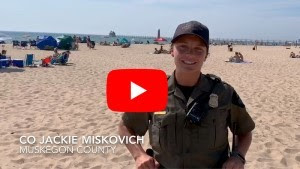
video After heavy July Fourth water traffic throughout the state, conservation officers are preparing to patrol another busy holiday weekend. Whether fishing, kayaking, canoeing, boating, swimming or lazily tubing down a river, always put safety first.

Stay alert, keep an eye on water conditions and always wear a life jacket and use a flotation device, even if water seems calm.

Watch this new DNR video with more tips and recommendations for staying safe on the water, and get more safety information at Michigan.gov/Boating.


28 communities, organizations get tree planting grants

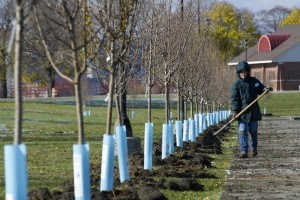
tree plantingStreets, parks and other public spaces are going to look a little greener thanks to a grant program sponsored by the Michigan Department of Natural Resources, the DTE Energy Foundation and the nonprofit ReLeaf Michigan. Twenty-eight Michigan communities will plant 1,100 trees in those spaces, sharing $91,870 in grants dedicated to tree-planting projects.
“Trees in our communities play a vital role in the health and well-being of our cities and the people who live there,” said Kevin Sayers, DNR Urban and Community Forestry program coordinator. “This has become especially important during the COVID-19 pandemic as communities recognize the value of having extensive and accessible green spaces filled with healthy trees.”

The DTE Energy Foundation provides funding to ReLeaf Michigan and the DNR for the grants. They in turn partner with communities, schools and nonprofits to demonstrate leadership as stewards of our environment and communities. Since the program’s inception, nearly 47,000 trees and seedlings have been planted in over 500 communities from Iron Mountain to Detroit.

“Michigan is known for its vast natural beauty and it’s our responsibility to do our part to protect it,” said Lynette Dowler, executive director and president, DTE Energy Foundation. “Through our partnership with ReLeaf Michigan and the DNR, we’ll not only enhance the natural beauty of our state, we’ll create opportunities for families and communities to mobilize and make a difference together as well. We look forward to seeing this year’s seedlings become the backdrop for a lifetime of memories – and catalysts for positive environmental change – statewide.”

Communities interested in volunteer tree plantings or educational events should visit ReleafMichigan.org, email ReLeaf Michigan or call 800-642-7353.For more information about DTE Energy Foundation programs, contact Coleen Rosso at 313-235-8859.

To learn about DNR programs, contact Kevin Sayers at 517-582-3209, or visit Michigan.gov/UCF.

See the list of all grant recipients for 2020.


Waterfowl hunters: Remember to Clean, Drain and Dry!

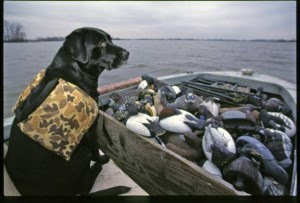
dog & decoysAs waterfowl season nears, hunters are reminded to take steps to prevent the spread of invasive species. Cleaning and drying boats and gear, then draining bilges and water tanks, can help maintain quality habitat in Michigan’s waters.
Invasive plants like European frog-bit, phragmites and starry stonewort prefer shallow waters and wetlands, often the same places where ducks and geese are found. When these plants take over, they crowd out native vegetation and can make access difficult for boats and dogs.

Small seeds or plant fragments are often all that is needed to introduce invasive plants to new locations. Seeds can be transported in mud left on waders and anchors or stick to boat and decoy surfaces. Plant fragments left on boat motors and trailers or tangled in stubble straps can start new populations of invasive plants at your next location.

Michigan law now requires boaters to Clean, Drain and Dry. After your boat is trailered, but before you leave the launch site, inspect the boat and trailer and remove any plants or fragments. Wipe off any mud and debris and remove all drain plugs from bilges, ballast tanks and live wells.

This is also a good time to inspect gear and dogs for any plants or debris. Once home, give waders and gear a thorough wash and allow them to dry completely before the next use.

When constructing a blind or camouflaging a boat, be sure to choose synthetic materials or native plants. Watch this short video for some helpful tips.

For more information on invasive species, visit Michigan.gov/Invasives.


ICYMI: Have the best day outdoors by preparing for the worst

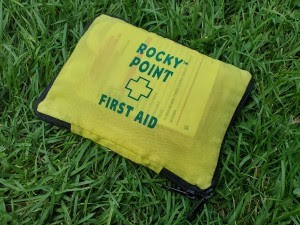
first aid kitPreparing for everything from a bee sting and bear sightings to blocked roads and bad weather helps ensure an enjoyable adventure in the outdoors, especially if you’re heading into the wilder side of Michigan’s public lands.


Always keep in mind that the wilderness is just that – wild. Knowing the potential hazards of the great outdoors and planning accordingly can go a long way toward making some great memories with family and friends.

Read more on recommendations, tips and resources in this recent Showcasing the DNR story.


THINGS TO DO

Want to get into fishing, but don’t know where to start? We have some resources to help you learn to fish!

BUY & APPLY

September is a big month for hunting. Make sure you’re up to date with season dates and have a valid license.

GET INVOLVED

Volunteering for a stewardship workday is a great way to get out of the house and enjoy your favorite state park.

DNR COVID-19 RESPONSE: For details on affected DNR facilities and services, visit this webpage. Follow state actions and guidelines at Michigan.gov/Coronavirus.
Governor Proclaims September 2nd as    Greatest Generation Day

Governor Proclaims September 2nd as   Greatest Generation Day

Governor Gretchen Whitmer Banner - headshot with bridge graphic

FOR IMMEDIATE RELEASE 

September 2, 2020

Contact: Press@michigan.gov


Governor Whitmer Proclaims September 2nd as 

Greatest Generation Day


LANSING, Mich. — Today, Governor Whitmer proclaimed September 2, 2020 as Greatest Generation Day in Michigan to commemorate the 75th anniversary of the end of World War II and encourage Michiganders across the state to honor members of the Greatest Generation for their sacrifices during World War II.


“From the founding of the nation to our current crisis, Michiganders have always shown a willingness to sacrifice for the common good,” said Governor Whitmer. “We are grateful for members of the Greatest Generation who set the example of sacrifice by serving in uniform, working in fields and factories to produce materials for victory, and supporting war efforts at home. Their work is an inspiration to our collective efforts in the fight against COVID-19. We can honor the Greatest Generation’s sacrifices by doing our part by wearing a mask and staying socially distant to protect ourselves and others from the virus.”


The Greatest Generation Day honors the sacrifices of those born between 1901 – 1927, a generation that came of age during the Great Depression, and later supported the United States during World War II. The Greatest Generation faced hardships and sacrifices, but never faltered in their loyalty to the nation. September 2, 2020 commemorates the 75th anniversary of the end of World War II.


To view proclamation, click the link below:

MDHHS launches streamlined renewal forms

MDHHS banner with logo no names

Press Release


FOR IMMEDIATE RELEASE: Sept. 2, 2020 

CONTACT: Bob Wheaton, 517-241-2112, wheatonb@michigan.gov

MDHHS launches streamlined renewal forms making it simpler to keep
critical benefits during COVID-19


Project Re:New improves client experience across four largest assistance programs
as more families and individuals need help

LANSING, Mich. – The benefits renewal process is now simpler for roughly two million food, health care, child care and cash assistance clients with the rollout of new, streamlined benefits renewal forms, the Michigan Department of Health and Human Services (MDHHS) announced today. Now, Michigan is the first state to have this kind of streamlined application and renewal in print and online.


Project Re:New, a collaboration between MDHHS and Detroit-based Civilla, began in 2018 and spans the department’s four largest assistance programs. The changes will help MDHHS serve Michigan residents and families better and faster during the COVID-19 pandemic – a crisis that has left federal agencies and some state governments struggling to reduce application or renewal backlogs, and handle more hotline traffic across assistance programs that are a temporary lifeline for many residents.


“Life today is more stressful and complicated than ever. That’s why it’s as urgent as ever to simplify the way we deliver benefits – to treat people with dignity, meet them where they are, and take as little as possible of their time,” said Robert Gordon, director of MDHHS.


Project Re:New follows the 2018 launch of a simplified application that was also completed in collaboration with Civilla through an effort called Project Re:Form. Like the updated application, the new renewal forms feature human-centered design to emphasize urgent information and outline clear steps, deliver directions in plain language and, importantly, incorporate feedback from clients and caseworkers on their experiences completing or processing forms.


Instead of using a renewal form that includes questions that may not apply to an individual’s assistance program, clients will complete one core redetermination form, and a one- to two-page supplemental form specific to each of their assistance programs.


Project Re:New also led to the simplification of the six-month review form, annual review form and online renewal option in MI Bridges, the state’s online assistance application and case management portal. Changes follow all existing eligibility and program requirements. The new renewal was piloted in MDHHS’ Madison Heights and Monroe offices. It resulted in:

  • 50 percent fewer offices visits, an important reduction that puts clients and MDHHS field office employees at lower risk of exposure to COVID-19.
  • A 96 percent completion rate, up from 73 percent.
  • 60 percent fewer errors, reducing delays in processing time and generating a higher renewal rate.

“In the midst of the COVID-19 pandemic, this work demonstrates MDHHS’ ongoing commitment to improving benefit delivery and designing services that better meet people’s needs,” said Lena Selzer, design director at Civilla. “The work was guided by the expertise of hundreds of Michigan residents and MDHHS field staff. It would not have been possible without them.”


Rollout began this month by mail, in person and online. It will continue gradually through next year as clients are due for renewal of benefits. Clients will receive forms and a reminder to renew sooner than usual to give them time to submit forms before their interview with field staff—another change aimed at further reducing processing delays.


Project Re:Form was recognized by Harvard University as one of the 2018 Innovations in American Government Award’s Top 25 Programs. It took one of the longest benefits applications in the nation and transformed it, cutting the amount of time clients spent filling out the form, reducing error rates and helping caseworkers process applications in less time.

MDHHS making change to COVID-19 reporting schedule

FOR IMMEDIATE RELEASE
September 1, 2020
Contact: Lynn Sutfin, 517-241-2112

LANSING, MICH. The Michigan Department of Health and Human Services (MDHHS) is making a change to the cadence for COVID-19 data posted to the Michigan.gov/coronavirus website.

Beginning Sunday, Sept. 6, data on cases, deaths and testing will be reported Monday – Saturday. Weekend data are often erratic and generally lower than other days due to reduced testing and lab staffing. With respect to policy matters, MDHHS focuses its review of trends on the number of reports for each date that individuals experienced the onset of symptoms and not the daily reported cases which represent the day test results were received. Onset date reporting is shown on the MI Safe Start Map as well the Daily Cases by Status report on the Michigan.gov/Coronavirus website and this reporting will not be affected by this change.

“At this time, reporting on Sunday rather than Monday is not critical to our understanding of the virus,” said MDHS Director Robert Gordon. “This change will allow staff who have not had a real day off since February to get some relief and allow the department to prioritize more valuable data reporting, including school outbreak information.”

Sunday and Monday data will both be reported on Mondays, including Labor Day. This change will not affect the department’s ability to provide onset date information for COVID-19 cases.

Information around this outbreak is changing rapidly. The latest information is available at Michigan.gov/Coronavirus and CDC.gov/Coronavirus.

Invasive European frog-bit found in Mid-Michigan

Invasive European frog-bit found in Mid-Michigan

 
Sept. 1, 2020
Contact: Joanne Foreman, 517-284-5814

Invasive European frog-bit found in Mid-Michigan

Boaters, waterfowl hunters and anglers can help prevent further spread

The Department of Environment, Great Lakes, and Energy recently confirmed the presence of European frog-bit, an aquatic invasive plant, in four lakes within the Waterloo Recreation Area in Jackson and Washtenaw counties and one impoundment in the Dansville State Game Area in Ingham County.

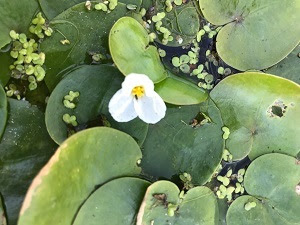
Aquatic invasive species have the potential to harm Michigan’s environment, economy and human health. European frog-bit, which resembles a miniature water lily with leaves about the size of a quarter, can form dense mats on the surface of slow-moving waters like bayous, backwaters and wetlands. These mats can impede boat traffic and alter food and habitat for ducks and fish.

Spreading across Michigan

European frog-bit was first detected in southeast Michigan in 1996 and has since spread along the coastal areas of lakes Erie and Huron up to the eastern Upper Peninsula.

A European frog-bit plant with a small, white flowerIn 2016, the plant was discovered in Reeds and Fisk lakes in East Grand Rapids. It was found in several small bodies of water in Oakland County in 2018 and in the Lower Grand River in Ottawa County and Pentwater Lake in Oceana County in 2019.
While waterfowl, currents and stream flow can spread the plant and its seeds, European frog-bit, like most invasive species, travels farther and faster by human movement. Plant parts and seeds can become attached to boat motors, trailers, decoys and other recreational gear in an infested body of water and be transferred unintentionally to another location.

What is being done

To date, EGLE staff has completed surveys of bodies of water in the Dansville State Game Area and Waterloo and Pinkney state recreations areas, as well as most lakes with public access in the area, finding no additional infestations.

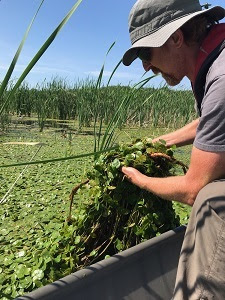
A man in a canoe pulls European frog-bit plants from the waterAll visible frog-bit plants were successfully removed by hand from Mills Lake, but due to heavy infestations, Mud, Green and Winnewanna lakes and the Dansville State Game Area impoundment require more intensive response options that cannot be completed in 2020.

Survey and removal efforts are ongoing in West Michigan, where crews from the West Michigan Cooperative Invasive Species Management Area (CISMA) and the Gun Lake Tribe are working with EGLE to remove or treat infestations around heavily used boating access sites and to protect culturally and ecologically significant sites like wild rice beds in the Lower Grand River.

The Oakland County CISMA is continuing its survey of lakes and wetlands and has begun controlling the invasive plant in some infested areas.

What you can do

To prevent further spread of European frog-bit, boaters, waterfowl hunters and anglers should “Clean, Drain and Dry” boats, trailers and gear before moving them to a new location.

State law now requires boaters to do the following before transporting any watercraft over land:

  • Remove all drain plugs from bilges, ballast tanks and live wells.
  • Drain all water from live wells and bilges.
  • Ensure the watercraft, trailer and all conveyances are free of aquatic organisms, including plants.

If you spend time on or around the water, learn how to identify European frog-bit and report any sightings using the Midwest Invasive Species Information Network website at MISIN.MSU.edu or the MISIN downloadable app. When reporting, be sure to note the date, time and location of the sighting and take photos if possible.

Reports also can be made to EGLE’s Aquatic Invasive Species Program by email to EGLE-WRD-ANC@michigan.gov or by calling 517-284-5593.

To find out more about European frog-bit and other aquatic invasive species, visit Michigan.gov/Invasives.

Michigan’s Invasive Species Program is cooperatively implemented by the Department of Environment, Great Lakes, and Energy, the Department of Natural Resources and the Department of Agriculture & Rural Development.


/Note to editors: Accompanying photos are available below for download. Caption information follows.

Frog-bit: European frog-bit resembles small water lilies, with white, three-petaled flowers visible between June and August.

Alwin: EGLE Aquatic Biologist Tom Alwin removes European frog-bit from a backwater area in Pentwater River State Game Area.

Dansville: Dense mats of European frog-bit were found in an impoundment at the Dansville State Game Area.

Illustration: European frog-bit is a free-floating aquatic plant with small (0.5 to 2.5-inch) leaves. Illustration courtesy of Bruce Kerr./