DNR: News Digest – Week of Nov. 13, 2023

DNR: News Digest – Week of Nov. 13, 2023

DNR banner

News Digest – Week of Nov. 13, 2023

A smattering of bright, reddish-pink maple leaves hang from thin, grayish-brown branches, with thicker upright trees in background
Here are just a few of this week’s stories from the Michigan Department of Natural Resources:

See other news releases, Showcasing the DNR stories, photos and other resources at Michigan.gov/DNRPressRoom.

PHOTO FOLDER: Larger, higher-res versions of most of the images used in this email are available in this folder.


Safety is key to every successful hunt

a red video play button overlaid on a man in a gray conservation officer jacket and cap, holding a rifle, standing outside on snowy groundWith Michigan’s firearm deer season starting Wednesday, the DNR reminds everyone to put safety first. This brief video offers safety highlights.

Lt. Tom Wanless, who heads the DNR’s recreational safety, education and enforcement section, said that although some tips seem like common sense, it’s critical for anyone hunting with firearms to consider safety basics.

“Success is not always about filling your tag, it’s about safely enjoying the experience and sharing it with friends and family after the hunt,” Wanless said.

All hunters should:

  • Treat every firearm as if it is loaded.
  • Be aware of your surroundings – know your target and what is beyond it.
  • Unload firearms when crossing obstacles and/or getting in or out of an elevated stand.
  • Obey “no trespassing” signs; they are there for a reason.
  • Obtain landowner permission to retrieve game that has wandered onto private property.
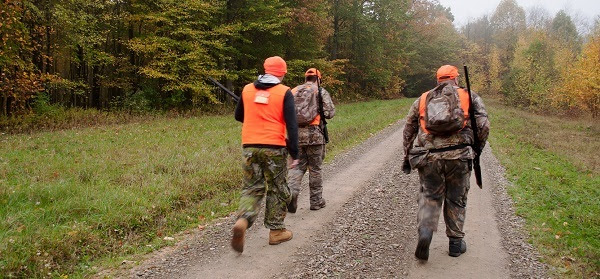
  • Wear “hunter orange” to increase your visibility to other hunters. Hunter orange garments (such as caps, hats, vests or jackets), including camouflage, must be at least 50% hunter orange and be visible from all directions.

During hunting seasons, the DNR strongly encourages nonhunters to wear bright colors, especially hunter orange, and be aware of their surroundings near woods or fields where hunting may occur.

Get more hunting and tree stand safety tips at Michigan.gov/HuntingSafety, and season and regulation details in the 2023 DNR Hunting Regulations Summary.

Questions about safety? Email DNR-LED-RecSafety@Michigan.gov.


How to be a responsible birder and wildlife photographer

binoculars atop a small stack of birding books, next to a camera with a huge zoom attachment, on a low wall in front of dark green plantsIt was an incredible year for birding across the Great Lakes region, as a number of birds that were outside their normal wintering and breeding areas for various reasons were spotted in our wetlands and along our lakes. Among the rare vagrants were several species native to Florida, including the roseate spoonbill, limpkin and American flamingo.

Year-round, hundreds of bird species draw us outdoors as they flit in the treetops, hop through shrubs or run along the shorelines. With winter on its way, birders are excitedly awaiting the arrival of northern finches and owls.

Whether we encounter rare vagrants, irruptive northern breeders – those birds that hit the scene suddenly and in large numbers – or common backyard birds, it’s important to use best birding practices to protect Michigan’s birds and visitors. The following tips and resources from Mi Birds can help guide your next outing.

Keep a respectful distance. Getting too close to birds, and their nests, can cause them to flush (or fly away), interfering with their natural behavior and potentially preventing them from caring for their young or eating. If your approach causes a bird to flush, you’ve gotten too close.

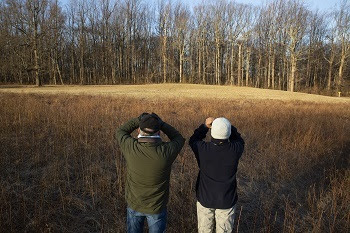
man and woman in fall clothing, side by side, look through binoculars across a golden grassy field, back to a group of tall, leafless fall treesThink carefully before sharing the location of a rare bird. While rare bird sightings are thrilling, they can draw a crowd, which can cause a disturbance.

Share the shore. Great Lakes beach-nesting birds, like the Great Lakes piping plover, require special care. By leashing pets and giving birds plenty of space (more than 100 feet, or about 16 beach towels), we can help ensure their survival.

Leave the drones to the pros. Although drones can be useful for researchers and biologists documenting bird populations (such as at island nesting colonies), drones in general can be very disruptive to birds, especially osprey. They also are illegal in national parks, and their use is limited in state parks. (This DNR land use order provides more detail about unmanned aircraft, such as drones.)

Here are additional resources to help protect birds and habitat:

For more birding and wildlife photography best practices, explore Audubon’s library of ethics articles. Enjoy your next birding adventure!

MI Birds is a public outreach and education program presented by Audubon Great Lakes and the Michigan DNR that works to build and bring together wildlife enthusiasts across the state to engage with and conserve Michigan’s birds, wildlife and public lands.

Questions? Contact Erin Rowan Ford at 313-820-0809.


ICYMI: November hunting and trapping opportunities

two men in camo stand in a reedy, marshy area, bright sun behind them; one uses as duck call as decoys float in low water in frontFrom duck, deer and goose to coyote, quail and fox, this month (and beyond) is rich with options to try your hand at hunting and trapping.

Whether you’re a veteran hunter of several species, a devoted trapper or someone just getting familiar with the ins and outs of these outdoor traditions, Michigan’s got something for everyone, and the DNR has all of the resources to keep you informed, safe and confident when in the field. In case you missed it, we recently put out a hunting and trapping roundup, complete with season dates and links to more information about places to hunt and trap.

If you have questions about late fall and early winter hunting and trapping opportunities, email the DNR Wildlife Division at DNR-Wildlife@Michigan.gov.


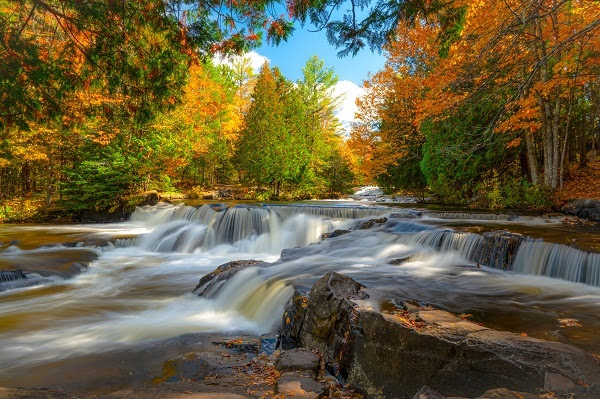
Photo ambassador snapshot: Bright, beautiful Bond Falls

Dark green, foamy water spills over several levels of shallow, wide, rocky falls, with bright green, gold and orange-hued trees in backgroundSee more pictures by Michigan state parks photo ambassadors at Instagram.com/MiStateParks. For more on the program, call Stephanie Yancer at 989-274-6182. (This photo is by Sarah Goodwin, for the Michigan DNR, at Bond Falls Scenic Area in Ontonagon County.)


THINGS TO DO

Catch Michigan Makers, the Michigan History Museum exhibit with stories of tinkerers, artists, thinkers and others who shaped our state. Don’t wait; it closes Dec. 3.

BUY & APPLY

When you purchase things from our Goods4Mi.com partners – apparel, coffee, prints, stickers and more – you also support state parks, trails, waterways and other outdoor spaces!

GET INVOLVED

If you want to help the state’s native plant and animal species and natural communities, consider a year-end donation to the Nongame Fish and Wildlife Trust Fund.

DNR News: If you see a bear den this winter, let us know!

DNR News: If you see a bear den this winter, let us know!

DNR banner with link to website

DNR News

Nov. 8, 2023

Contact: Cody Norton, 906-202-3023 or Mark Boersen, 989-275-5151, ext. 2722730

If you see a bear den this winter, let us know!

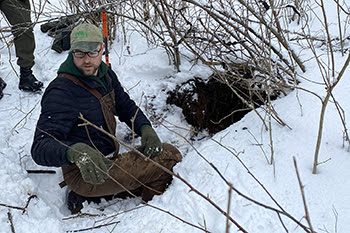
DNR biologist outside bear den in snowy forestWhile you’re enjoying time outdoors this fall and winter, keep an eye open for black bear dens. Reporting den locations to the Michigan Department of Natural Resources is a simple, yet effective way to support bear management programs.

“Finding winter den locations is an important component to managing black bear populations, and we need hunter, trapper and landowner assistance to add new den sites to the program in the Upper Peninsula and northern Lower Peninsula,” said Mark Boersen, wildlife biologist at the DNR Roscommon Customer Service Center. “Currently, we are monitoring six bears from the ground and aircraft using radio tracking equipment.”

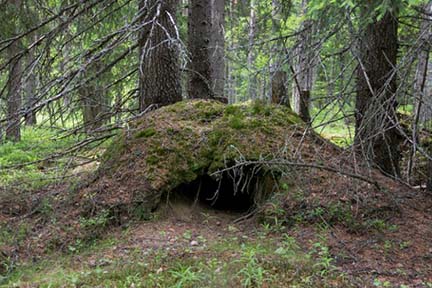
Depending on their location in the state, bears typically enter dens in November and December. They tend to select dens in locations that provide shelter from the elements, which can include areas with dense vegetation, rock crevices, fallen trees or excavated holes. Bear dens may look like brush piles covered in snow or excavated holes in the ground, both having an icy opening to vent fresh air.

You spotted a den! What’s next?

If you’re in the vicinity of a potential den site, stay quiet and listen for any sounds coming from within. You may be able to hear cubs nursing or crying.

If you believe you have found a bear den, keep a safe distance away and avoid disturbing the den or the bears inside. Record the location, using GPS coordinates if possible, and report the information to one of the following DNR staffers:

After receiving a report of a denned bear, DNR biologists will determine if the animal is a good candidate for joining the ongoing project. A bear selected for the program will be sedated and fitted with a collar and ear tags. Biologists will collect information from the bear including the sex, weight, body measurements and reproductive history, and will remove a small, nonfunctional tooth to acquire a DNA sample and determine the bear’s age. See a short video of this bear examination process.

Upon completion of the short procedure, biologists will carefully return the bear to its den, where it will remain throughout the winter months.

The DNR urges anyone who finds a den leave it alone. It is illegal to disturb a bear den or disturb, harm or molest a bear in its den. Those who think they have found a den should report it and allow DNR biologists to further investigate.

Learn more about bear management in Michigan at Michigan.gov/Bear.


Note to editors: Accompanying photos are available below for download. Caption information follows.

  • Den_biologist: The Michigan Department of Natural Resources asks hunters and other outdoor recreationists to keep an eye open for black bear dens and report the location to the DNR to support bear management programs.
  • Den_check: A bear selected for the DNR’s ongoing bear management project will be sedated and fitted with a collar and ear tags, and biologists will collect data before carefully returning the bear to its den, where it will remain throughout the winter months.
DNR News Digest – Week of Nov. 6, 2023

DNR News Digest – Week of Nov. 6, 2023

DNR banner

News Digest – Week of Nov. 6, 2023

three people dressed in camo and hunter orange, toting rifles, walk away on a two-track dirt road, surrounded by mature forest

Firearm deer season is right around the corner!

Here are just a few of this week’s stories from the Michigan Department of Natural Resources:

See other news releases, Showcasing the DNR stories, photos and other resources at Michigan.gov/DNRPressRoom.

PHOTO FOLDER: Larger, higher-res versions of the images used below, and others, are available in this folder.


Firearm deer season’s five-day quiet period begins Friday

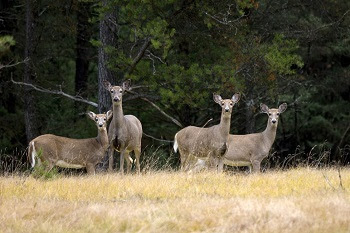
small group of tan and white does stand alert in a field of tall, tan grasses, backed against a dark green forestThroughout Michigan, hunters are preparing stands, blinds and camps for the upcoming firearm deer season, which begins Nov. 15. Although there’s an understandable excitement to hit the woods, everyone must respect the five-day “quiet period” Nov. 10-14.

“From sighting in rifles to sprucing up the old deer blind, preseason activities can be a hectic time for firearm deer hunters,” said Capt. Pete Wright, DNR Law Enforcement Division. “The five-day quiet period creates a window of time, just before the opener, when hunters can catch their breath and the woods have a chance to calm.

“This period is like pushing a reset button, allowing deer to settle back into their day-to-day patterns, which in turn increases the chances of a successful hunt.”

During these five days, it is unlawful to transport or possess a rifle or shotgun with buckshot, slug load, ball load or cut shell in an area frequented by deer. Unloaded firearms securely encased or carried in the trunk of a vehicle may be transported to or from a hunting camp. Refer to the 2023 DNR Hunting Regulations Summary for more information.

If you’re hunting for small game or waterfowl, or fur harvesting, you can still carry the appropriate firearm for your season. Small game and waterfowl hunters may carry shotguns with shotshells for hunting small game, but cannot possess buckshot, slugs, ball loads or cut shells during this time. Fur harvesters may carry rimfire firearms (.22-caliber or smaller) while actively hunting or checking traplines during the open furbearing animal season.

Contact the Report All Poaching hotline at 800-292-7800 to report trespassing, shooting or other related natural resource violations.

Questions? Email DNR-LawEnforcement@Michigan.gov.


Michigan milestone: 100K planted trees added to Mi Trees map

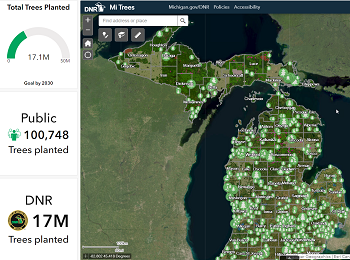
Mi Trees map showing tree planting icons. Data panel shows 17.1 million trees planted: approx. 100,750 by community members, 17M by DNR.Wow, we asked you to plant trees, and Michiganders showed up: planting and registering more than 100,000 trees on the DNR’s interactive Mi Trees map since 2021.

This amazing turnout for the Mi Trees effort has helped the DNR move toward its goal of planting 50 million trees by 2030 in partnership with 1T.org, a global initiative to plant 1 trillion trees. Much of Michigan’s landscape is privately owned or in urban and community areas, making public participation an important part of the effort.

Why plant a trillion trees? Forests are important for the health of the planet and for us. From simply providing beauty to our landscapes and communities, to creating wildlife habitat, slowing climate change, providing renewable materials for everyday products and even improving mental health, trees are essential.

The Michigan DNR plants about 6 million trees a year on state forest land, with forest management practices that are certified as sustainable by two independent organizations.

If you want to join the effort, find tips to pick the right tree and plant it correctly at Michigan.gov/MiTrees. Be sure to tag them on our map to share your achievement and help us get closer to the Trillion Trees goal.

Questions about tree planting? See our handy guide or contact DNR forestry experts Kevin Sayers, Mike Smalligan or Lawrence Sobson.


Festive fun, shoreline riding, ‘Michigan Makers’ and more

a male park ranger with a bag of toys, a male conservation officer and two people dressed as Santa and Mrs. Claus in front of DNR patrol truckWhether you’re looking for holiday fun, outdoor exploration or some Michigan history, here’s a sample of what’s on tap!

The Outdoor Adventure Center in Detroit is getting in the holiday spirit this month. Contribute to the “Stuff a Truck” toy donation drive and get a photo with Santa and Mrs. Claus Nov. 24-25, and decorate cookies with Mrs. Claus Nov. 25.

Other November events at the OAC include Birding Belle Isle Nov. 12, STEM Family Night – a night of hands-on activities linking nature with science, technology, engineering and math – Nov. 16, plus archery, nature education programs for kids, family hikes and much more. Find more info about these and other programs on the Outdoor Adventure Center events calendar.

Experience one of Michigan’s most unique state parks on horseback during the shoreline horseback riding season at Silver Lake State Park in Mears Nov. 1-30. During this special season, equestrians can ride the Lake Michigan shoreline for a $10 registration fee per horse per day.

Don’t miss “Michigan Makers,” a special exhibit at the Michigan History Museum in Lansing, running through Dec. 3. Discover the stories of Michigan’s tinkerers, artists, thinkers and makers, who might just inspire you to create something new yourself!

And sign up now for the Dec. 9 snowshoe lacing program at Porcupine Mountains Wilderness State Park in Ontonagon, part of the DNR’s Outdoor Skills Academy. Learn how to lace traditional cross-country snowshoes, an excellent way to explore Michigan’s wintry outdoors, and walk away with your own hand-laced pair.

Find a complete list of events at Michigan.gov/DNRCalendar.


Photo ambassador snapshot: Beautiful, blue Bay de Noc

a dark-haired woman and a dark-haired girl stand side by side on a rocky shore, looking out over a large teal and deep blue lakeSee more pictures by Michigan state parks photo ambassadors at Instagram.com/MiStateParks. For more on the program, call Stephanie Yancer at 989-274-6182. (This photo is by Ana Easlick, for the Michigan DNR, at Fayette Historic State Park on Big Bay de Noc, Delta County.)


Gardeners, boaters, off-roaders: NotMISpecies webinars

Gardeners, boaters, off-roaders: NotMISpecies webinars


Michigan Invasive Species Program banner

News Release

Contact: Joanne Foreman, 517-284-5814

Gardeners, boaters, off-roaders: NotMISpecies webinars just for you!

No matter how you enjoy the outdoors, you’re likely to cross paths with invasive species. Gardeners might find them in the well-manicured shrubs along a walkway. Off-road vehicle enthusiasts can encounter thorny brush along the trails, and boaters face increasing numbers of invasive species fouling motors and limiting access to their favorite waterways.

Michigan’s NotMISpecies webinars are here with the latest information to help clear the way to outdoor enjoyment by showing how to manage and prevent the spread of invasive species, no matter where adventure takes you. Take advantage of these hourlong sessions and engage with experts on emerging issues across the state.

November

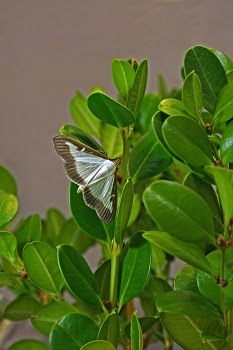
A box tree moth, with open white wings edged in brown, rests on a boxwood twig. Box tree moth (Cydalima perspectalis) was first detected in Michigan in fall 2022. This invasive pest, native to East Asia, poses a major threat to the boxwood plant, an ornamental shrub that is a valuable part of the U.S. (and Michigan) nursery and horticultural industry. Join Susie Iott, Michigan Department of Agriculture and Rural Development invasive species program specialist, for “Must You Find Another Shrubbery? Understanding the Impacts of Invasive Box Tree Moth in Michigan” (9 a.m. Tuesday, Nov. 7). She’ll share information on box tree moth identification, its impacts and the state’s response to limit the spread of this invasive pest.

January

In the off-roading world, a muddy 4×4 is a badge of honor, but dirt, mud and trail debris also can carry invasive plant fragments and seeds from one beautiful landscape to another. When the North Country Cooperative Invasive Species Management Area set its sights on educating motorized trail users about the importance of cleaning their vehicles, the question was, “How?” Join Vicki Sawicki, NCCISMA program coordinator, and technician Zach Peklo for “Dirt Never Hurt, but Invasive Species Do – Engaging ORVers to Stop Invasive Spread” (9 a.m. Tuesday, Jan. 23). They will share unique approaches to reaching this transient and fast-moving audience and helping them embrace the beauty of clean rides.

February

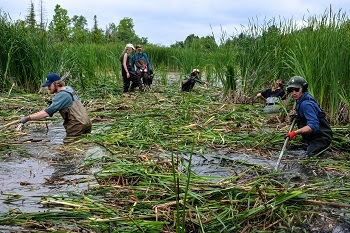
Volunteers remove cattails and European frog-bit from shallow water near Alpena, Michigan.European frog-bit was first detected in southeast Michigan in 1996 and has since spread along the coastal areas of lakes Erie, Huron and Michigan and to some inland lakes. Kevin Kapuscinski, associate professor and assistant director of research at Lake Superior State University’s Center for Freshwater Research and Education, has been studying the aquatic invasive plant and its effects on native ecosystems and water quality since 2019. In “What’s the Damage? Ecology and Effects of Invasive European Frog-bit in the St. Marys River” (9 a.m. Wednesday, Feb. 7), he will share what’s been learned about plant reproduction, removal efforts and impacts based on research in the St. Marys River in the Upper Peninsula.

The series will take a break in December, leaving ample time to catch up on episodes you might have missed. Find recordings of all the past NotMISpecies webinars or register for new ones at Michigan.gov/EGLE/Outreach/Not-MI-Species-Webinar-Series.

Michigan’s Invasive Species Program, a collaborative effort of the Michigan departments of Natural Resources; Environment, Great Lakes, and Energy; and Agriculture and Rural Development, coordinates and supports invasive species initiatives across the state and provides support through the Michigan Invasive Species Grant Program.


/Note to editors: Accompanying photos are available below for download. Suggested captions follow.
BTM: Box tree moths are generally white with a brown border and a white “comma” on each forewing.

Cattails: Volunteers assist in removing invasive cattails and European frog-bit from the Duck Park shoreline in Alpena. Photo courtesy of Chris Engle, Huron Pines./

DNR Logo 24 bit PNGDept of Environment, Great Lakes and Energy logoMDARD Logo


DNR News: $100,000 awarded for 29 tree planting projects

DNR News: $100,000 awarded for 29 tree planting projects

 
DNR banner with link to website

DNR News

Oct. 9, 2023
Contact: Kevin Sayers (DNR), 517-582-3209 or Joelle Kruczek (DTE Energy), 586-805-0146

Partners award more than $100,000 for 29 tree planting projects 

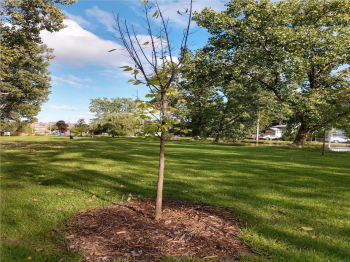
A small tree is planted in a park, surrounded by a grassy area and prepped with mulchNew trees – 1,275 of them! – are coming to 29 Michigan communities courtesy of a partnership awarding DTE Energy Foundation Tree Planting Grants. Awards totaling $102,545 will help communities and organizations in Michigan add trees to streets, parks and other public spaces.

Funding and technical support are provided through a 27-year partnership of the Michigan Department of Natural Resources, DTE Energy Foundation and ReLeaf Michigan.

See which communities received tree planting grant awards. The grants will help purchase a variety of trees to be planted this fall or next spring.

“Trees make our communities and neighborhoods beautiful, healthy and vibrant places,” said Kevin Sayers, DNR Urban and Community Forestry program coordinator. “This program promotes planting the right types of trees in the right places to ensure they stay healthy and provide benefits for all.”

The ongoing partnership between the DTE Energy Foundation, the DNR and ReLeaf Michigan aims to support and engage cities, schools, nonprofits and other community-based organizations in caring for the environment, beautifying neighborhoods and properly planting trees away from utility infrastructure.

“ReLeaf Michigan and the Michigan DNR play a crucial role in maintaining, protecting and expanding our state’s natural resources, including urban forests,” said DTE Foundation President Rodney Cole. “The DTE Foundation is thrilled to be part of that mission and to see how these new plantings benefit communities.”

Project proposals are solicited annually from eligible partners around the state. The next opportunity to apply is summer 2024.


  • The DNR’s Urban and Community Forestry Program helps communities promote and manage trees and forests by providing education, financial support and technical assistance. To learn about the UCF program, visit Michigan.gov/UCF or contact Kevin Sayers, 517-582-3209.
  • ReLeaf Michigan is an organization that shares the value of trees and how to select, plant and maintain them. Organizations interested in volunteer tree planting or educational events may visit ReleafMichigan.org, email ReLeaf Michigan or call 800-642-7353 to learn more.
  • The DTE Energy Foundation is the philanthropic arm of DTE Energy. In 2022, the Foundation provided more than $15 million in grant support to over 300 nonprofits. Visit DTEFoundation.com to learn more.
DNR: News Digest – Week of Oct. 2, 2023

DNR: News Digest – Week of Oct. 2, 2023

DNR banner

News Digest – Week of Oct. 2, 2023

a few bright-gold and orange autumn leaves, with sunlight streaming through, hang amid a background of green leaves and branches
Here are just a few of this week’s stories from the Michigan Department of Natural Resources:

See other news releases, Showcasing the DNR stories, photos and other resources at Michigan.gov/DNRPressRoom.

PHOTO FOLDER: Larger, higher-res versions of some of the images used in this email are available in this folder.
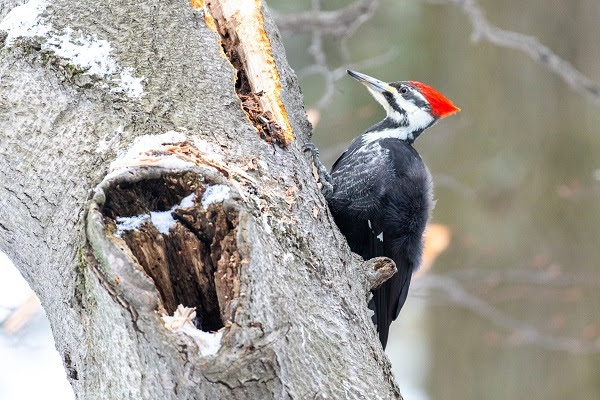

Photo ambassador snapshot: Winter woodpecker

red-headed pileated woodpecker, with black and white face striping, perches on a knotty, gnarled tree trunk, with a dusting of snowWant to see more pictures like this, taken by Michigan state parks photo ambassador Blair Celano at Ludington State Park in Mason County? Visit Instagram.com/MiStateParks to explore photos and learn more about the photo ambassadors! For more on the photo ambassador program, call Stephanie Yancer at 989-274-6182.
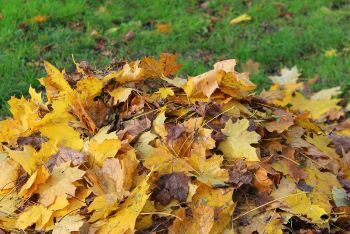

Consider wildlife and wildfire during fall yard cleanup

A raked-up heap of golden and russet fall leaves on a green lawnYard looking a little disheveled with sticks, fallen leaves and dead plants hanging around? Don’t worry too much; nature likes it a bit on the wild side. When it comes to annual fall cleanup, follow these tips to help wildlife and prevent wildfire.

First, the easy part: Move a fall task to your spring to-do list. Hold off on clipping dead plant stems until 50-degree days return. If left over winter, they’ll provide protection for perennial plants. The hollow spaces in stems will give small critters and pollinators places to hibernate. Learn about the benefits of “leaving the leaves.”

Although some local ordinances allow fallen leaves to be burned or removed curbside, why not use dead leaves as free mulch? They will insulate plants and slow erosion, keeping garden soil in place. Turtles, toads, salamanders, moths and butterflies all spend winter tucked under leaves.

You could even use leaves to enrich next year’s garden.

“To tidy fallen leaves, rake them into a bin or pile to turn into nutrient-rich compost,” said Aaron Hiday, Michigan Department of Environment, Great Lakes, and Energy compost coordinator. Get composting tips from EGLE.

If you plan to burn yard waste, check whether conditions are safe for fire, and know your local fire ordinances. Even if the weather is cold, you’ll need a burn permit any time the ground isn’t fully covered in snow.

“Most wildfires start when people lose control of burning yard waste,” said DNR wildfire prevention specialist Paul Rogers. “Always keep a fire manageable, don’t burn on a windy day and never leave a fire unattended, even for a minute.”

Only burn natural materials like sticks, branches and dried leaves. Burning trash is illegal and releases harmful chemicals into the air. Learn about open burning.

Get a burn permit

Upper Peninsula and northern Lower Peninsula residents can view conditions at Michigan.gov/BurnPermit or call 866-922-2876 (866-922-BURN). Southern Michigan residents should check with their local municipality or fire department. Be mindful of local smoke and fire ordinances, which can be stricter than state ordinances.
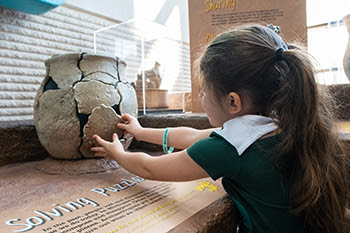

October events: Plenty of fall fun, learning

a young girl places a puzzle piece on a gray and black vase puzzle, which is upright on a wooden tableIf you’re looking for ways to get out and enjoy Michigan’s natural and cultural resources, here’s a glimpse at the month ahead! Find a complete list of events at Michigan.gov/DNRCalendar.

Harvest festivals

Fall harvest festivals at state parks – with hayrides, pumpkin carving, trick-or-treating, costume contests, haunted trails, nature programs, horse-drawn carriage rides and other family-friendly activities – continue throughout October. Activities in state park campgrounds are typically open only to registered campers, but some parks also offer events for all visitors to enjoy.

Archaeology Day

Have you ever wondered what it’s like to be an archaeologist? Check out Michigan Archaeology Day, Saturday, Oct. 7, at the Michigan History Museum in Lansing. This free event for all ages celebrates the investigations and artifacts that tell the stories of 14,000 years of Michigan history. You can see and learn about the work of Michigan archaeologists, make a clay pinch pot, watch a flintknapper make stone tools, try throwing a spear using an atlatl, join a scavenger hunt, see in-depth special presentations and more.

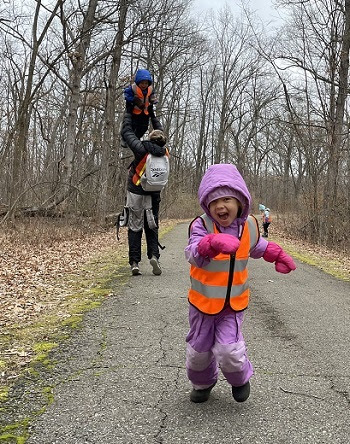
little girl in purple coat and leggings and orange vest smiles while running on paved trail; an adult lifts up a small child in background

Outdoor Adventure Center

October at the Outdoor Adventure Center offers a variety of fall fun for all ages, including archery, nature education programs for kids, family hikes and much more:

That’s just a sampling of what’s happening this month at the OAC. Find more info about these and other programs on the Outdoor Adventure Center events calendar.

Snowshoe making

Learn to weave a pair of traditional wooden snowshoes, which can be used for winter hiking, gift-giving or home décor, during the DNR Outdoor Skills Academy’s snowshoe-making class at Ludington State Park Oct. 28-29.

The class will be offered again in November, along with a venison processing and cooking clinic. Get more details about these and other “how to” programs at Michigan.gov/OutdoorSkills.


Help take care of, give input on your public lands

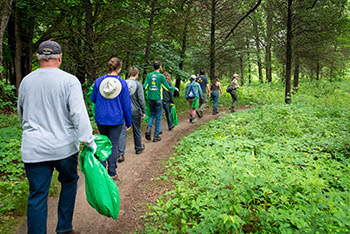
small group of adults in jeans and long-sleeved shirts hold bright green garbage bags as they walk single-file down a forested, dirt trailEvery month, there are a variety of ways you can get involved in caring for our state’s natural and cultural resources, including millions of acres of public lands that belong to Michigan residents.

Read on to learn about opportunities around the state this month. For more ideas on how to volunteer, contribute and provide input to make a difference, visit Michigan.gov/DNRVolunteers.

Volunteer workdays at state parks, hatcheries

Several state parks in southern Michigan will host volunteer stewardship workdays. Volunteers are needed to help restore natural areas by removing invasive plants that threaten high-quality ecosystems. Workdays will take place at:

  • Waterloo Recreation Area (Washtenaw County), 10 a.m. to 1 p.m. Saturday, Oct. 7.
  • Yankee Springs Recreation Area (Barry County), 10 a.m. to 12:30 p.m. Saturday, Oct. 7.
  • Island Lake Recreation Area (Livingston County), 10 a.m. to 1 p.m. Sunday, Oct. 8.
  • Bald Mountain Recreation Area (Oakland County), 9 a.m. to noon, Saturday, Oct. 14.
  • Ludington State Park (Mason County), 10 a.m. to noon Sunday, Oct. 15.
  • Muskegon State Park (Muskegon County), 10 a.m. to noon Saturday, Oct. 21.
  • Fort Custer Recreation Area (Kalamazoo County), 10 a.m. to 1 p.m. Sunday, Oct. 22.
  • Belle Isle Park (Wayne County), 9 a.m. to noon, Saturday, Oct. 28.
    Warren Dunes State Park (Berrien County), 10 a.m. to noon Saturday, Oct. 28.
  • Pinckney Recreation Area (Washtenaw County), 10 a.m. to 1 p.m. Sunday, Oct. 29.

Wolf Lake State Fish Hatchery Visitor Center in Van Buren County also will host a volunteer stewardship workday 9:30 to 10:30 a.m. Wednesday, Oct. 18. Volunteers will help with invasive species removal, trail and visitor center maintenance, seed collections and much more.

Fall Volunteer Day at Mears State Park in Oceana County is Saturday, Oct. 7, from 9 a.m. to 4 p.m. Volunteers will help get the park ready for winter by putting up snow fence, taking down benches, grills and tables, painting tables and more. Volunteers who work all day can camp for free for the weekend (camping isn’t a requirement to volunteer – all are welcome).

More details about each workday and how to register can be found on the DNR volunteer events calendar.

On the Ground opportunities to improve wildlife habitat
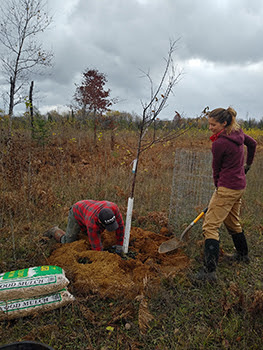
a young woman digs shovels dirt aroiund a newly planted sapling as a man kneels by the tree to help plant and stabilize itJoin On the Ground, Michigan United Conservation Clubs’ volunteer wildlife habitat improvement program in partnership with the DNR, for two projects in October.

Saturday, Oct. 7, from 9 a.m. to noon, volunteers are needed to spread native grass seeds and remove invasive vegetation to help restore oak savanna habitat at Canonsburg State Game Area in Kent County. Volunteers will plant mast-producing trees – an important fall and winter food source for a wide variety of Michigan wildlife – in the Traverse City Forest Management Unit in Kalkaska County Saturday, Oct. 14, from 10 a.m. to 3 p.m.

Find more details and registration info on the On the Ground webpage.

Weigh in on state land review plans

There’s still an opportunity to review and share feedback on DNR staff recommendations on whether to keep, exchange or sell state-managed land in 11 counties – Baraga, Benzie, Clare, Clinton, Genesee, Ionia, Manistee, Mecosta, Newaygo, Shiawassee and Wayne. Comments on the latest round of the state land review process will be accepted through Oct. 11.


THINGS TO DO

Whether you love to hike, paddle, run or ride, Michigan’s trails are calling! Start at the DNR’s trails webpage for maps, closures info, etiquette tips, merchandise and more.

BUY & APPLY

Do you or someone you know need to learn about lumber grading? Sign up for the four-day workshop (Dec. 4-7) at Kirtland Community College’s Grayling campus.

GET INVOLVED

Michigan Sportsmen Against Hunger helps provide food for people who need it most. Hunters can donate deer, and anyone can donate dollars to support processing.