by Becky Andrus | Jun 20, 2022 | Regional News
 |
|
|
| Hi there,
Some HUGE news for our veterans – the Senate has passed a bipartisan deal on a landmark package of legislation to finally, and comprehensively, address toxic exposure. The bill now heads to the President’s desk.
Sometimes, really important, landmark things do get done in Congress — and sometimes you get to share those moments with folks who are directly impacted. Thursday was one of those days.
As the roll was called, the Congresswoman was able to watch from the Senate gallery with Ryan Hart and his family, who are visiting D.C. from Springfield Township for the induction ceremony of his late father, Paul, to the Vietnam Veterans Memorial Honor Roll.
Paul Hart passed away two years ago from lung cancer that resulted from exposure to Agent Orange during his service. It took our government decades to finally acknowledge the damage Agent Orange did to our troops, and too many lives were lost as a result.
Now, the 9/11 generation of American veterans – including many Michiganders – are struggling with the long-term consequences of burn pits, and red tape at the VA is blocking them from getting the care they’re entitled to.
The Veterans Burn Pits Exposure Recognition Act, which Rep. Slotkin introduced with her Republican colleague and fellow Michigander Rep. Peter Meijer over a year ago, is part of the package. It cuts red tape to make it easier for veterans to get benefits and care, and the Congresswoman is thrilled it’s included in this package, which the House will soon send to the President’s desk.
The Veterans Burn Pits Exposure Recognition Act will:
- Eliminate the unreasonable requirement that veterans prove they were exposed to burn pits during their service;
- Formally recognize that veterans who served near burn pits were exposed to airborne hazards and toxins, potentially aiding thousands of veterans who otherwise do not have documentation of their exposure;
- And require the VA to conduct a full medical examination on veterans to determine a potential connection between an ailment and past toxic exposure.
Burn pits are the post-9/11 generation’s Agent Orange, and we need to support them not just with words, but with action.
– Office of Rep. Elissa Slotkin |

by Becky Andrus | Jun 16, 2022 | Environmental
MI Environment features upcoming Great Lakes beach walks
Journalists: We thought you might be interested in today’s MI Environment story that highlights  the eight upcoming Great Lakes beach walks in Michigan, hosted by the Michigan Department of Environment, Great Lakes, and Energy and the U.S. Army Corps of Engineers. the eight upcoming Great Lakes beach walks in Michigan, hosted by the Michigan Department of Environment, Great Lakes, and Energy and the U.S. Army Corps of Engineers.
The program’s goal is to increase coastal communities’ resilience — the ability to understand and use available resources to respond to, withstand, and recover from adverse situations.
The walks also will provide an opportunity to learn about the Michigan Coastal Management Program’s Pathway to Resilience and information on grant funding.
EGLE partners with Army Corps of Engineers for educational beach walks
Do you subscribe to MI Environment? Subscribe here to receive regular updates when new articles are posted and follow us on Twitter, LinkedIn, and Facebook. |

by Becky Andrus | Jun 16, 2022 | Transportation
FOR IMMEDIATE RELEASE MEDIA CONTACT
June 15, 2022 James Lake
906-250-0993
LakeJ1@Michigan.gov
200 millionth vehicle crosses the Mackinac Bridge
Fast facts:
– At 6:18 p.m. on Wednesday, June 15, 2022, the Dalman family of Tawas City drove the 200 millionth vehicle across the Mackinac Bridge since its opening on Nov. 1, 1957.
– On Sept. 6, 2009, Richard Snyder of Clare, Michigan, drove the 150 millionth vehicle across the bridge.
ST. IGNACE, Mich. – It was a chance occurrence, but it still makes for a cool story.
After driving the 200 millionth vehicle across the Mackinac Bridge at 6:18 p.m. Wednesday, June 15, the Dalman family of Tawas City now has the bragging rights and the sole claim to this milestone. Kurt Dalman was driving, with passengers Anna Dalman, and their children, Seth and Teresa.
“We’re headed to Pictured Rocks. This will be the kids’ first big hike,” Anna Dalman said. “We were very surprised. We had no idea (this milestone was coming up).”
Mackinac Bridge Authority (MBA) Chairman Patrick “Shorty” Gleason, member Caroline Cheeseman, and MBA staff met the Dalmans outside on the toll plaza after they drove their 2021 Toyota Corolla hybrid through the booths, paying $4 cash in the northbound direction. They presented the family a framed print of the Mackinac Bridge, while Amy Millard, executive director of the Mackinaw City Chamber of Commerce, and Lora Brown, executive director of the St. Ignace Visitors Bureau, gave them a gift basket full of local items.
“It’s our customers who pay the tolls that support the ongoing operation and maintenance of the Mackinac Bridge, so it’s only right that we recognize this milestone in the bridge’s 65-year history,” Gleason said on the occasion. “The bridge has been a critical connection for our state for more than six decades now, but it’s remarkable to know that so many vehicles, and countless more people, have crossed in that time.”
On Sept. 6, 2009, Richard Snyder of Clare, Michigan, drove the 150 millionth vehicle across the bridge.
Construction on the Mackinac Bridge began in May 1954 and the completed structure was opened to traffic on Nov. 1, 1957. The MBA’s sole source of funding is from tolls and fees collected, with all revenue used to maintain, operate and protect the bridge. More information about the bridge can be found at www.MackinacBridge.org.
Photo caption information:
Mackinac Bridge 200 millionth vehicle.jpg – The Dalman family of Tawas City, far right, received a local gift basket and a framed print of the Mackinac Bridge after they drove the 200 millionth vehicle across the bridge. Left to right: MBA Chief Bridge Engineer Julie Neph; Mackinaw City Chamber of Commerce Executive Director Amy Millard; St. Ignace Visitors Bureau Executive Director Lora Brown; MBA Member Caroline Cheeseman; MBA Chairman Patrick “Shorty” Gleason; Seth Dalman; Anna Dalman; Teresa Dalman; and Kurt Dalman.

by Becky Andrus | Jun 15, 2022 | Regional News

Gov. Whitmer Announces Investment to Help Build 529 Affordable Apartments, Townhomes, and Housing Units Across Michigan
LANSING, Mich. – Today, Governor Gretchen Whitmer announced the state is moving forward with a plan to invest $13 million to build 529 affordable apartments, townhomes, and housing units to help increase the amount of affordable housing options across the state amidst a housing shortage, which will help lower costs for Michiganders. The projects are located in Ann Arbor, Detroit, Grand Rapids, Jackson, Midland, Nashville, Traverse City, and Wyoming. The investment from these projects is expected to add approximately $151 million to the state’s economy and create 1,000 jobs.
“Michigan should always be a place where everyone can afford to live, work, and raise a family. As rent and home prices increase across the country, we are moving forward with an aggressive plan here in Michigan to build more quality affordable housing. This will help put money back in people’s pockets, and give them a place to call home,” said Governor Whitmer. “Since I took office, we have built nearly 12,000 affordable, attainable housing units, and I look forward to much more progress. Under the Building Michigan Together plan that I signed into law in April, we’re charging forward with an ambitious goal of creating 75,000 new or rehabilitated housing units within the next five years. When Michiganders have a safe place to call home, it serves as a launchpad for economic opportunity and a strong foundation for people to pursue their potential. Together, we can make necessary investments to create equitable pathways to attainable housing for all Michiganders.”
Through the federal Low-Income Housing Tax Credit (LIHTC) program, developers that receive awards can claim credits against their tax liability annually for up to 10 years – an important initiative that helps incentivize investments in affordable housing in local communities across the state. This current round of funding will enable the creation or preservation of 561 total units including market rate apartments.
“We know that creating affordable housing benefits everyone in the state by stimulating local economic growth, but it also creates opportunities for Michiganders to have equitable access to safe, quality, affordable housing for their families, making for stable and secure living and upward mobility,” said Chad Benson, MSHDA rental development director.
A full list of development projects includes:
|
|
|
|
|
|
|
|
|
|
|
|
|
|
|
Cinnaire Solutions Corp. & Woodbridge Neighborhood Development Corp.
|
|
|
|
|
|
Catholic Charities of Southeast Michigan & Cinnaire Solutions
|
|
|
|
|
|
Cass Corridor Neighborhood Development Corp
|
|
|
|
|
|
CHN Housing Partners & Detroit Blight Busters
|
|
|
Boston Square Together II
|
|
Brinshore Development LLC & Amplify GR
|
|
|
|
|
|
Woda Cooper Development, Inc.
|
|
|
|
|
|
MVAH Development LLC & Jackson Housing Commission
|
|
|
|
|
|
|
|
|
|
|
|
Dogwood Community Development
|
|
|
|
|
|
Traverse City Housing Commission, Cove Investments LLC & Ethos Development Partners
|
|
|
Union Suites at Michael II
|
|
Union Suites Development LLC & Dwelling Place of Grand Rapids
|
|
|
Building Michigan Together Plan Housing Investments
Governor Whitmer’s Building Michigan Together Plan will fund the construction of thousands of affordable, attainable housing units to give thousands of working families a stable foundation to pursue their potential. It will also help over 100,000 families stay in their homes with mortgage and rental assistance and finance energy-efficient home repairs, lowering costs for Michiganders.
Governor Whitmer’s Housing Investments
Since taking office, the Whitmer-Gilchrist Administration has made several investments to help families find a place to call home. The administration helped thousands of families buy homes with the Down Payment Assistance Program and MI Home Loan Mortgage Program, and provided services through the Housing Education Program to encourage homeownership and assist homeowners with the transition to new housing.
The governor also proposed funding for home repair and plumbing improvements for low-income households and encouraged housing developers to meet higher levels of sustainability commitments and energy efficiency by shifting construction of new units near amenities essential to healthy living like parks, grocery stores, and more.
|
by Becky Andrus | Jun 15, 2022 | Regional News
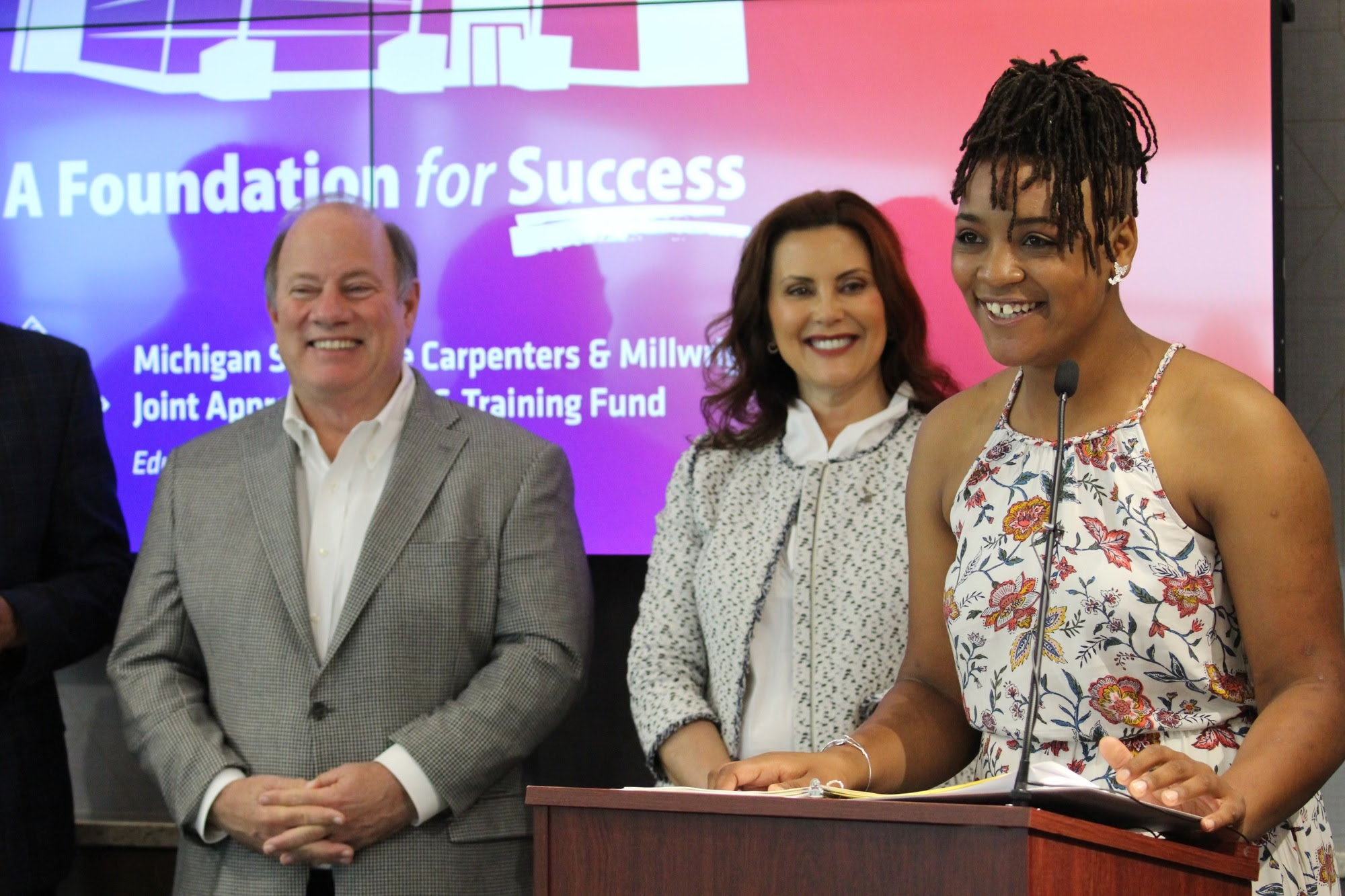
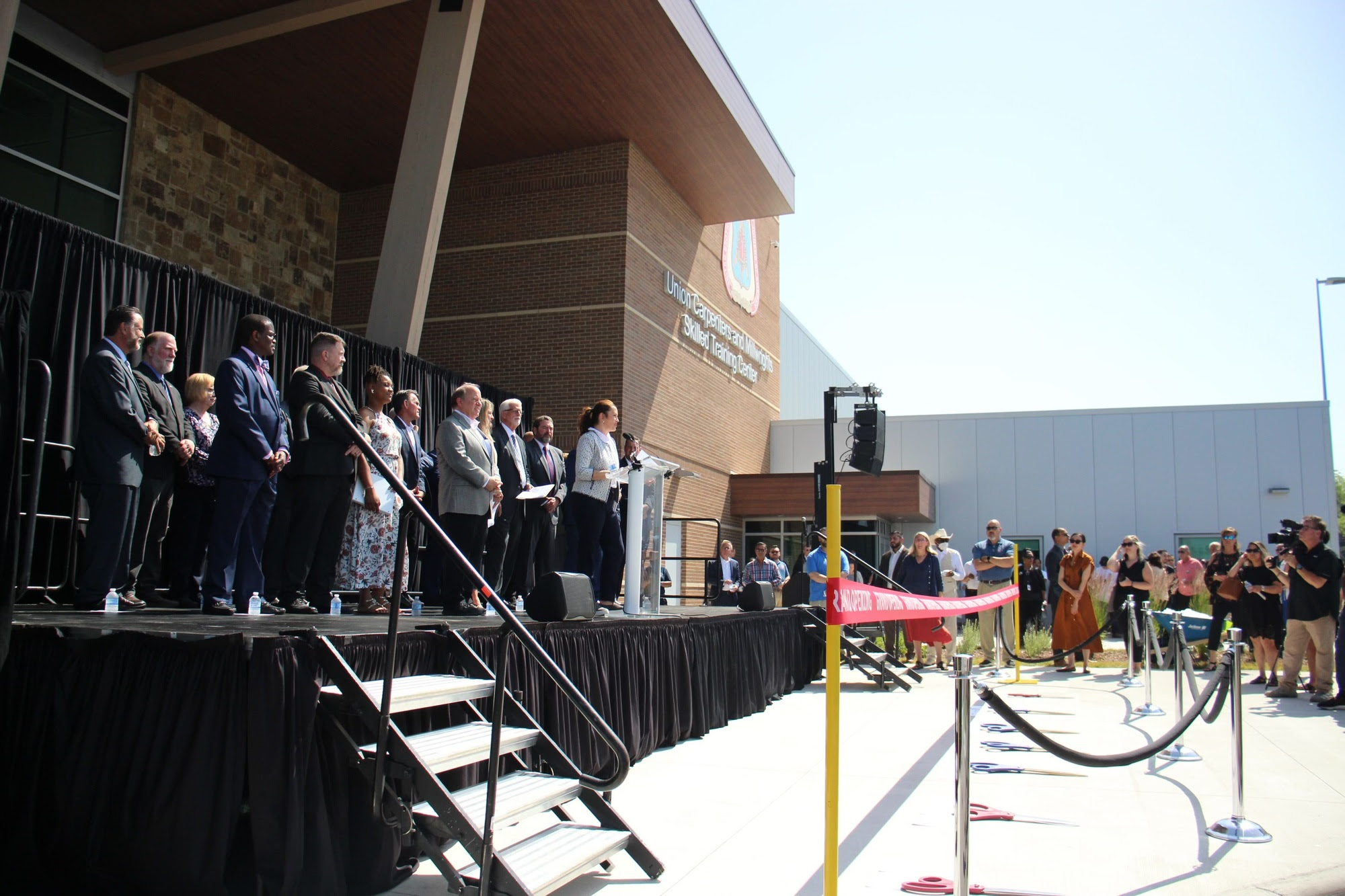
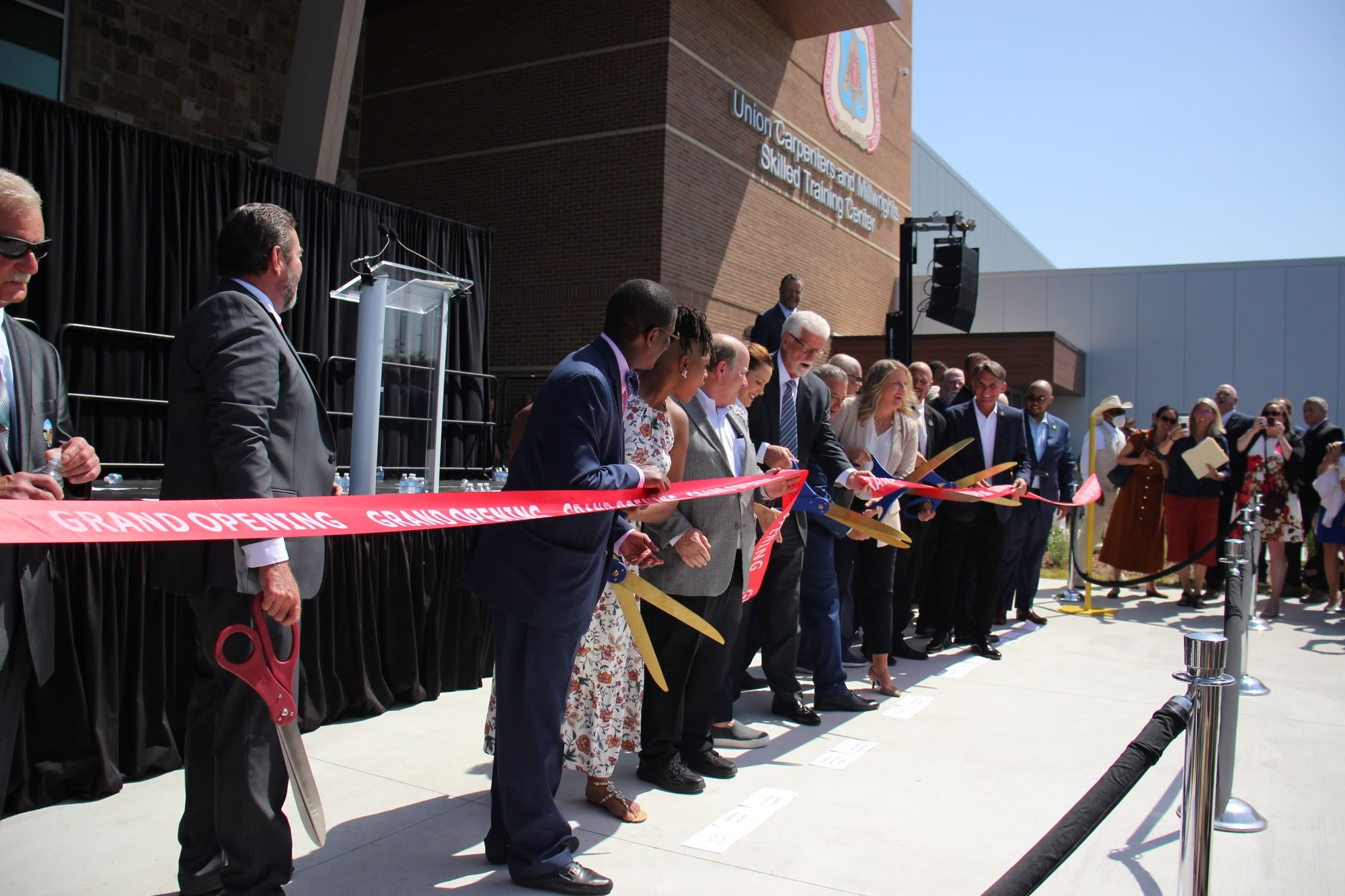
Gov. Whitmer Kicks Off Grand Opening of Michigan Regional Carpenters and Millwrights’ State-of-the-Art Training Center in Detroit
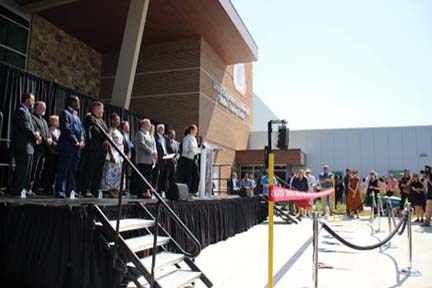
DETROIT, Mich. – Today, Governor Whitmer joined labor leaders and local elected officials for the ribbon-cutting ceremony of the Michigan Regional Council of Carpenters and Millwrights’ (MRCC) new training center in northwest Detroit. The 145,000 square-foot training center is home to state-of-the-art classrooms, training areas, and some of the most advanced methods and tools in the industry. The new center will train up to 1,500 students a year and play a pivotal role in reaching the governor’s Sixty by 30 goal to have 60% of working-age Michiganders earn a skills certificate or postsecondary degree by 2030.
“As a proud, pro-union governor to my core, I am thrilled to celebrate the opening of the MRCC’s state-of-the-art center in Detroit that will train up to 1,500 Michiganders and help them land good-paying, high-skill union jobs,” said Governor Whitmer. “Michiganders rely on carpenters, millwrights, floor layers, piledrivers, and all our skilled trades to build the infrastructure that powers Michigan’s economy. Their hard work is the reason that since I took office through the end of this year, we will fix over 16,000 lane miles of road and 1,200 bridges, build or refurbish nearly 12,000 affordable housing units, and replace tens of thousands of lead service lines. With their partnership, I have acted to center working people in all the work that we do. Together, we reinstated prevailing wage, cracked down on payroll fraud, expanded opportunities for people to land good-paying union jobs, and continued delivering on the kitchen-table issues that matter most to working families. When working families succeed, we all succeed. Let’s keep getting things done together that make a difference in their lives.”
“The opening of this state-of-the-art training center right here in Detroit shows the commitment of carpenters and millwrights to preparing the best construction professionals and creating good-paying Michigan jobs,” said MRCC Executive Secretary-Treasurer Tom Lutz. “This new training center – built without any taxpayer dollars – represents a gateway to a promising future for countless men and women willing to learn and work hard in a rewarding, good-paying career. By locating our training center in a Detroit neighborhood, carpenters and millwrights are committed to supporting our communities, opening doors of opportunities for everyone, and doing our part to move Michigan forward.”
The sprawling facility houses classrooms and training areas for hands-on experience and real-world simulations. Students will study and train in an apprenticeship program designed and taught by the carpenters and millwrights union, which currently has more than 14,000 members across Michigan. Enrollment in the apprenticeship program is free, and students incur no debt for their education. Those who join MRCC’s apprenticeships also get good wages, healthcare, and pension benefits while they learn. The center will train up to 1,500 students a year.
The MRCC is a partner in Detroit’s job creation program and has pledged to triple the number of Detroit residents in the union’s apprenticeship program by ensuring that 25 percent of all incoming first-year apprentices are Detroit residents over the next decade. MRCC and its contractor partners fund all aspects of the apprenticeship program, including the construction of the new center.
“Thanks to this brand-new cutting-edge training center, the Michigan Regional Council of Carpenters and Millwrights is investing in Michigan workers, Michigan jobs, and Michigan’s future,” said Secretary of Labor Walsh. “The leadership of the carpenters and millwrights will help the United States and the State of Michigan continue to build the critical infrastructure we need to be competitive in a global economy. This new training center showcases the fact that good-paying jobs and rewarding careers are available right out of high school to those who are willing to learn, train and work hard. America needs well-trained, well-educated skilled trades professionals today and for years to come, and the carpenters and millwrights’ training center is the pipeline to good-paying and rewarding careers in construction that will always be in demand.”
“Skilled trades careers are a brotherhood and sisterhood of professionals who strive to be the best, look out for each other and rebuild America, Michigan and our neighborhoods from the inside out,” Doug McCarren, General President of the United Brotherhood of Carpenters said. “Carpenters and millwrights represent the future, and this training center will help thousands of residents in Detroit and beyond get access to the best training around so they can be part of a brighter future.”
“Businesses and companies in the construction industry are looking for the best trained, best educated, best-prepared workers around, and the Michigan Regional Council of Carpenters and Millwrights’ new training center in Detroit is an exciting opportunity for men and women to get that education and training for good-paying careers,” said Donna Pardonnet, executive director of the Architectural Contractors Trade Association of Michigan. “Construction jobs are in high demand and an apprenticeship at this new training center is a terrific way for young people to start a great career and get paid while they learn.”
Highly trained skilled trades professionals are in high demand in Michigan, and experts anticipate the current shortage of such workers to continue well into the next decade. Skilled trades professionals such as carpenters and millwrights account for more than 500,000 jobs in Michigan.
Investing in Michigan’s Workforce
Governor Whitmer is dedicated to helping Michiganders pursue their potential. Since she took office, she has worked across the aisle to establish critical workforce development programs and fund paths for workers to learn new skills and land good-paying jobs.
She established and funded Michigan Reconnect, a program that is providing tens of thousands of Michiganders tuition-free higher education or skills training that leads to a high-skill, good-paying job. Across three balanced, bipartisan budgets, she also funded and grew the number of apprenticeships and pre-apprenticeships offered in Michigan and set up and funded Futures for Frontliners to offers tens of thousands of Michiganders who served on the frontlines of the pandemic tuition-free paths to higher education.
All these efforts will help Michigan reach the Governor’s Sixty by 30 goal to increase the number of working-age adults with a skill certificate or college degree from 49% today to 60% by 2030. With this initiative, Michiganders will have greater access to the education and skills that create opportunities for better jobs and bigger paychecks.
Fighting for Working People
Governor Whitmer is dedicated to putting working people first through her actions. Her decision to reinstate prevailing wage for all state construction contracts ensures hard-working Michiganders can earn a decent standard of living, take care of their families, and have a secure retirement. Paying prevailing wage for state construction projects also guarantees taxpayers get a well-trained, skilled workforce to build safe, reliable infrastructure with the right mix and materials.
The governor also signed an executive directive cracking down on payroll fraud, ensuring that companies cannot misclassify their employees and deny them critical pay and benefits. She is proud to have appointed over 200 members of the labor community to state boards and commissions, ensuring their voices are at the table for key decisions.
|