DNR: News Digest – Week of April 5, 2021
|

|
Hi there,
Tax day has moved to May 17th this year. Here’s some information to help ensure you’re able to file your taxes with as little headache as possible.
The IRS is encouraging individuals, if able, to file electronically to speed up your refunds.
Did you not get your prior COVID stimulus check(s), but think you should have?
To recap: Congress passed relief bills in March and December of 2020 which provided stimulus checks of up to $1,200 and $600, respectively. These checks went to individuals making $75,000 or less and couples filing jointly making $150,000 or less. Individuals making more than $75,000, and couples making more than $150,000, may qualify for portions of these checks.
The threshold for the previous stimulus checks was based on your 2018 or 2019 tax returns, even though the payments were technically advance credits on your 2020 taxes. So, if you made less in 2020, and should have qualified for the stimulus check, you may qualify for the Recovery Rebate Credit and must file a 2020 tax return to claim it. Click here to do so.
Need help filing your taxes?
If your income is less than $72,000, check out the IRS’ Free File Program. You may be able to access filing assistance. Click here to check it out.
2020 wasn’t an average year, make sure you check out these resources. Visit this page put together by the IRS that provides helpful information.
Happy filing,
Elissa Slotkin

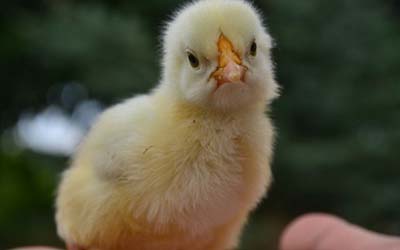
Press Release FOR IMMEDIATE RELEASE: March 31, 2021 MDHHS CONTACT: Chelsea Wuth, 517-241-2112, WuthC@michigan.gov MDHHS and MDARD remind parents spring chicks may carry Salmonella LANSING, Mich. – Health experts at the Michigan Department of Health and Human Services (MDHHS) and the Michigan Department of Agriculture and Rural Development (MDARD) are warning parents about the potential for baby poultry to carry Salmonella. Salmonella is a common bacteria found in the droppings of poultry and can cause illness in people. Salmonella germs may contaminate feathers, feet and beaks of birds, as well as cages, coops, and the environment where the birds live and roam. “Washing your hands thoroughly before and after handling chicks and other poultry protects both you and your family from the risk of Salmonella, and also helps keep the birds healthy,” said Dr. Joneigh Khaldun, chief medical executive and chief deputy director for health. “Even birds appearing cute, healthy and clean can carry bacteria that can make people sick.” In 2020, there were 17 nationwide outbreaks of Salmonella illness linked to contact with live poultry, causing illness in 1,722 people in 50 states. Of these illnesses, 24% were children younger than 5 years of age. Michigan reported 73 cases, and 18 cases (25%) were in children under the age of 18 years. During spring, live baby poultry can be ordered from hatcheries or available at stores in a way that children may be able to reach and touch the birds or areas where the birds are contained. This is one way people become exposed to harmful bacteria that leads to illness. Salmonella can cause diarrhea, vomiting, fever and/or abdominal cramps lasting four to seven days or more and infections can be especially serious for the very young, the very old and those with weakened immune systems. Baby poultry have special requirements for warmth and protection. Backyard flock owners may not be aware of the risk of Salmonella from baby poultry and consequently, may keep the birds inside their home. Potential poultry owners should plan ahead to provide a proper space that is safe for the birds and for the people in the household by giving live poultry their own shelter outside of the home. “In order to keep birds healthy, it is important to plan ahead,” said State Veterinarian Nora Wineland, DVM. “Before bringing them home, it is essential to create a suitable safe space for them to grow that can adapt to their needs as they continue to develop. Also, to ensure their continued health, make sure to identify a veterinarian that can assist in their care.” Follow these recommendations to protect your household:
It is also recommended to remain outdoors when cleaning any equipment associated with raising or caring for poultry, such as cages, feed, water containers and other materials. For more information, visit the Centers for Disease Control and Prevention website. |

FOR IMMEDIATE RELEASE March 30, 2021 Contact: Press@michigan.gov
Governor Whitmer on President Biden Delivering Additional CO
LANSING, Mich. – Today, Governor Gretchen Whitmer released the following statement after the White House announced that a substan
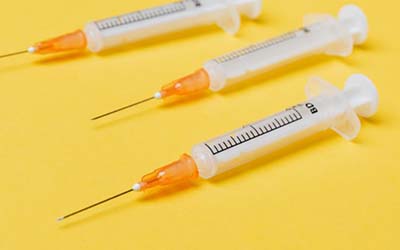
In next week’s shipment, the Biden Administration will increase the state’s direct allocation by 66,020 doses for a total of 620,040 vaccines, a weekly record high for Michigan. This allocation includes 147,800 doses of the single-shot Johnson & Johnson vaccine. In addition to the state’s direct allocation, the governor also applauds the millions of additional doses being sent to federally partnered retail pharmacies across the country, which includes numerous locations in Michigan.
“I’m so grateful to have a partner in the White House that has our backs here in Michigan. We know that the COVID-19 vaccine is highly effective at preventing COVID-19. These additional doses of the safe, effective vaccines will help us slow the spread of the virus, return to normalcy, and continue building our economy back better. As we work closely with our state’s leading health experts to monitor COVID-19 trends, I’m asking Michiganders to double down on smart precautions. The pandemic is not yet behind us, but we’ve learned a tremendous amount about how to protect ourselves and our loved ones. We are moving forward with plans to ramp up testing for schools, businesses, nursing homes, and we recently surpassed four |

|
FOR IMMEDIATE RELEASE March 31, 2021 Contact: Press@michigan.gov
Gov. Whitmer Increases Daily Vaccination Goal to 100,000 Shots Per Day
LANSING, Mich. – Today, Governor Gretchen Whitmer raised Michigan’s COVI
For 38 days, the state has met or exceeded its original goal of administering 50,000 vaccinations per day. To date, Michigan has administered 4,207,102 vaccines, moving the state closer to its goal of equitably vaccinating at least 70% of Michiganders ages 16 and older as soon as possible.
“Michigan is making great strides as our rollout of the COVID-19 vaccines continues ramping up,” said Governor Whitmer. “The safe, effective vaccines are one of the best ways to protect you and your family from coronavirus, and they are essential to getting our country back to normal so we can hug our families, get back to work, send our kids to school, and get together again. These new, higher vaccine targets are a testament to what we can do together, and we need to meet them so we can keep rebuilding our economy. Thanks to capable leadership at the national level, heroic efforts by frontline workers who are working around the clock, and the dedication of millions of Michiganders, we will put this pandemic behind us. I urge everyone to continue doing their part with masks, social distancing, and hand washing, and when you are eligible, get your vaccine.”
In next week’s shipment, the Biden Administration will increase the state’s direct allocation by 66,020 doses for a total of 620,040 vaccines, a weekly record high for Michigan. This allocation includes 147,800 doses of the single-shot Johnson & Johnson vaccine. In addition to the state’s direct allocation, the governor also applauds the millions of additional doses being sent to federally partnered retail pharmacies across the country, including numerous locations in Michigan.
“The state is working hand-in-hand with health care systems, local health departments, Federally Qualified Health Centers, primary care providers and others to get Michiganders vaccinated with the safe and effective COVID-19 vaccine as quickly as possible,” said Dr. Joneigh Khaldun, chief medical executive and chief deputy for health. “Providers have administered more than four million doses in just four months and we praise and appreciate their willingness to serve their communities, and are confident they will meet and exceed the new 100,000 shots per day goal.” |



 An early sign of spring, ospreys are making their return to Michigan. The magnificent fish-hawk with striking brown and white plumage can be seen flying along shallow, fish-filled waters of the Great Lakes region — hovering, then plunging feet-first to snare fish in its talons. Ospreys can be found across the state, but they once faced an uncertain future here.
 Now that warm temperatures are back, reptiles and amphibians are out and about — if you look around, you might be able to spot them. Perhaps you’ve heard spring peepers or wood frogs calling. Or maybe you’ve seen a garter snake slip through sprouting blades of grass.