$14.2 million Spark Grants for outdoor recreation

$14.2 million Spark Grants for outdoor recreation

DNR banner with link to website

DNR News

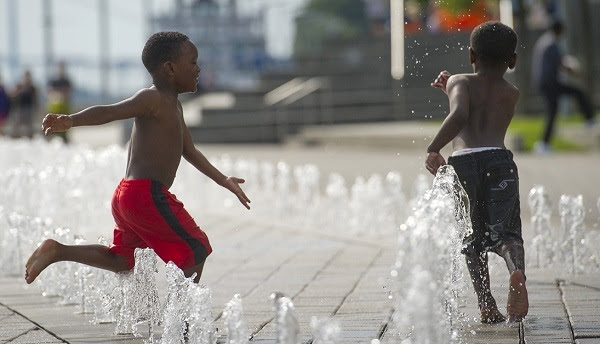
two little boys, one in red swim trunks and the other in blue, laugh and chase each other through small fountains of water on a concrete splash pad

Feb. 9, 2023
Contact: Dan Lord, 517-290-5603 or Jessica Mistak, 906-280-8876

21 communities to share $14.2 million in Michigan Spark Grants for outdoor recreation projects

The DNR received more than 460 applications for the dedicated American Rescue Plan Act funding

Nearly three years after the start of the COVID-19 pandemic, almost two dozen of the hardest-hit Michigan communities are benefiting from $14,178,900 in Michigan Spark Grants funding – a big boost toward creating, renovating or redeveloping public recreation opportunities for residents and visitors.

“Every Michigander in every community deserves access to the great outdoors to connect with nature, exercise, and spend time with friends and family,” said Gov. Gretchen Whitmer. “These Spark Grants will fund a variety of public recreation projects across our state, including accessible trails at a Flint park, a rebuilt splash pad in Muskegon, and new bike racks, picnic tables and benches at a park in Sault Ste. Marie.

“Under the bipartisan Building Michigan Together Plan that I signed last year, we made the largest one-time investment ever in our state and local parks,” Whitmer said. “Now, we’re delivering those resources to move dirt and make a real difference in people’s lives while supporting good-paying jobs along the way.”

Open grant awards list ►

Michigan Spark Grants, administered by the Michigan Department of Natural Resources, offer the DNR a chance to reach people in communities whose economic opportunities and public health were most affected by the COVID-19 pandemic. This reimagined approach activates historic support for projects that provide safe, accessible public recreation facilities and spaces to improve people’s health, introduce new recreation experiences, build on existing park infrastructure and make it easier for people to enjoy the outdoors.

Two key ways these grants differ from the department’s existing recreation grant programs are that applicants can seek up to $1 million for a single project and there is no 25% match requirement.

In total, the DNR considered 462 applications requesting more than $280 million – figures that far eclipsed what the department is used to. In comparison, the DNR’s top three recreation grant programs – the Land and Water Conservation Fund, the Recreation Passport and the Michigan Natural Resources Trust Fund – usually field a collective ask of around 150 applications seeking between $50 million and $60 million annually.

“The response was more than we could have imagined,” said acting DNR Director Shannon Lott. “Clearly, the Michigan Spark Grants opportunity and outreach have tapped into a critical need in many areas of the state, and we are proud to deliver support that will help create and restore the quality public recreation resources that we know can improve public health, anchor communities and strengthen a sense of place.”

Some of the funded projects in this round include:

  • $1 million to rehabilitate the St. John Street Neighborhood Memorial Park along the Flint River, in Genesee County, through improved and accessible trails, parking and a kayak/canoe launch, plus a new playground.
  • $716,600 to revitalize Alford Park in Sault Ste. Marie, in Chippewa County, with the addition of accessible pedestrian paths and amenities such as bike racks, picnic tables and benches.
  • $475,000 for replacement of the aging boardwalk at the Covert Park Beach and Campground, located along the Lake Michigan shore in Van Buren County.
  • $393,000 to renovate the Marlette Community Park, in Sanilac County, with an accessible walking trail and playground equipment and updated pavilions.
  • $250,000 to rebuild the city of Muskegon’s existing community splash pad, in Muskegon County.

All first-round grant recipients and project descriptions are available on the Michigan Spark Grants webpage.

Building the program

This grant opportunity is possible because of the Building Michigan Together Plan, signed in March 2022, which included a historic $450 million infusion of federal American Rescue Plan Act funding in our state and local parks. The DNR was tasked with administering $65 million of that total to:

  • Leverage federal, state, local and private resources toward a sustainable public recreation development program.
  • Provide a clear, simple and equitable grants distribution process in support of public recreation.
  • Align project partners and community organizations so resources are maximized, and roles and responsibilities are clearly outlined and balanced.

Recognizing that more needs to be done to help under-resourced communities overcome barriers in accessing grant opportunities, the DNR sought advice and perspective from philanthropic, planning and other groups with relevant expertise.

The advisory group — with representation from the DNR, the Council of Michigan Foundations, the Michigan Association of Regions, the Michigan Trails & Greenways Alliance, the Michigan Municipal League, the Michigan Department of Transportation, the Michigan Recreation and Park Association and the Ralph C. Wilson, Jr. Foundation — focused on staying true to the program’s intent in making recommendations on scoring criteria and application requirements. Members also advised on a strategy for fund disbursement, though the DNR is ultimately responsible for how and where to leverage this funding.

“We started meeting last summer to talk about how best to frame the grant opportunity and identify communities most in need of this economic support,” said Clay Summers, executive director of the Michigan Recreation and Park Association, a member of the advisory group. “We took a lot of time and care in trying to define the program and streamline the application process, and the overwhelming response only reiterates the importance of these funds. The advisory group has been working together to continue to improve the process to try to alleviate the burden on the applicants.”

Moving forward

“The demand and raw value of this program tell us there is an even greater need to reach into those regions, build a stronger network of philanthropic support, and make certain that all communities have the knowledge, tools and confidence they need to take advantage of grant resources,” said DNR Director Lott.

Given the overwhelming interest in these first-round grants, the DNR will work with the advisory group to determine next steps and application timeline, as well as look at opportunities to work with Michigan’s broader philanthropic community on ways to remove additional barriers to grant funding. Approximately $50 million in additional Michigan Spark Grants is expected to be awarded later this year.

Lott encouraged applicants who did not receive Michigan Spark Grant funding in this round to explore the department’s other recreation-centered grant opportunities, including the Land and Water Conservation Fund, the Recreation Passport and the Michigan Natural Resources Trust Fund programs. Applications for these three programs are due April 1 each year.

Learn more about the Michigan Spark Grants program — and all DNR-administered grant opportunities — at Michigan.gov/DNRGrants.

Projects prompt temporary closures at state parks, campgrounds

Projects prompt temporary closures at state parks, campgrounds

DNR banner with link to website

DNR News

Feb. 6, 2023
Contact: Kristen Bennett, 248-431-1265

Planned improvement projects prompt temporary closures at state parks, campgrounds

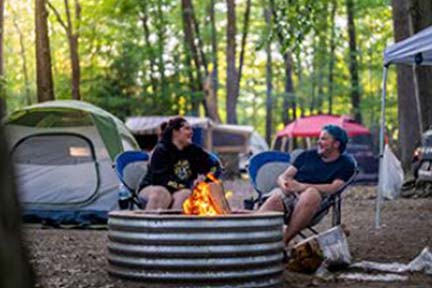
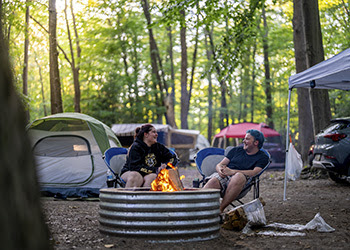
two campers sitting at fireA handful of locations throughout Michigan’s state parks and recreation system will temporarily close this summer and fall, but for good reason: road reconstruction, historic preservation, upgraded electrical and water distribution systems, visitor center enhancements, new toilet and shower buildings and other work aimed at making the visitor experience more enjoyable and comfortable.
Many of these critical projects are possible through millions of dollars in federal relief COVID-19 funding – the American Rescue Plan Act of 2021 – while other planned projects are funded through Recreation Passport dollars and various state and federal grants.

A total $250 million in American Rescue Plan Act funds was made available to the Michigan Department of Natural Resources last March to help address a long list of critical needs in state parks and trails and build a new state park in Flint. These federal ARPA relief funds are part of a $4.8 billion infrastructure package outlined in Gov. Gretchen Whitmer’s Building Michigan Together Plan.

“It wasn’t more than a few years ago that we were trying to identify nearly $300 million in funds to assess a backlog of state park infrastructure needs,” said Ron Olson, DNR Parks and Recreation chief. “Today, we have the great fortune of administering a once-in-a-lifetime investment of $250 million over three years, allowing us to deliver tangible improvements at these outdoor spaces that people love and return to, season after season.”

Federal funding requirements stipulate that ARPA funds must be obligated (committed to a project) by Dec. 31, 2024, and spent on that project by Dec. 31, 2026.

Olson also said that approximately 97% of regular state parks funding is generated by user fees, which includes revenue from Recreation Passport entry fees, and royalty revenues. Only 3% comes from Michigan’s General Fund tax dollars, further illustrating the incredible value and importance of these one-time federal funds and their long-term impact on the system.

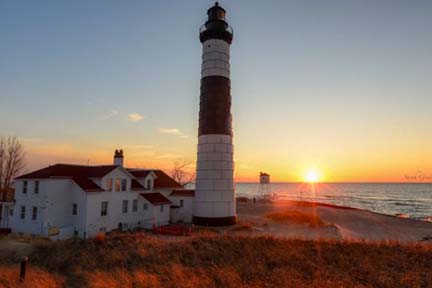
A few examples of ARPA-funded work are campground enhancements at Algonac, Cheboygan, Hoffmaster, Interlochen and Straits state parks and Metamora-Hadley Recreation Area; major renovations to the Anna Scripps Whitcomb Conservatory in Belle Isle Park; visitor center improvements at Bay City State Park, and restoration work at the Tawas Point Lighthouse.

Beyond the ARPA-funded work, there are additional planned state park and trail enhancement projects that are using other funds or are due to weather-related conditions. All closures will be temporary, and staff is working hard to minimize the impact to visitors.

Find a full list of closures

Before you visit a state park, boating site or trail, it is always a good idea to check the latest closures due to planned improvement projects, repairs and weather-related events in DNR facilities around the state. A list of ongoing/updated alerts can be found at Michigan.gov/DNRClosures.

Follow ARPA-funded projects

To stay up to date on the status of ARPA-funded projects and learn more about funding and decision-making, visit Michigan.gov/StateParksProgress.

There you’ll find FAQs, a photo gallery and an interactive map identifying proposed project locations, details and status of those projects.

It’s important to note that the map is specific to ARPA-funded projects; it does not include the variety of other work happening at state parks, trails and waterways. Also, keep in mind that ARPA-funded project costs and timelines shown on the interactive map are estimates based on the most urgent needs in the state parks and recreation system, but those estimates may be affected by contractor availability and supply chain challenges.

Questions on the projects? Contact Kristin Bennett at 248-431-1265 or by email at BennettK@Michigan.gov.

DNR Wildlife Habitat Grant application period now open

DNR Wildlife Habitat Grant application period now open

 
DNR banner with link to website

DNR News

Jan. 31, 2023
Contact: Clay Buchanan, 517-614-0918 or Chip Kosloski, 517-281-1705

DNR Wildlife Habitat Grant application period now open

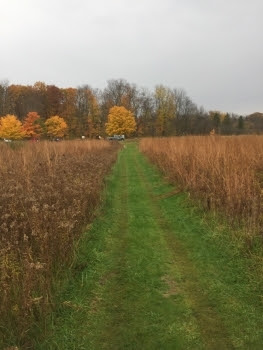
walking path through grassland restoration projectNow through March 16, the Michigan Department of Natural Resources Wildlife Habitat Grant Program will be accepting applications.

“We are excited to support those who want to increase habitat and enhance existing habitat through the Wildlife Habitat Grant Program,” said DNR Wildlife Division Chief Jared Duquette.  “Healthy and abundant habitats not only benefit wildlife, but also benefit Michigan residents.”

Funding is available for local, state, federal and tribal governments, profit and nonprofit groups, and individuals through an open, competitive process. The minimum grant amount is $15,000, and the maximum is the total amount of funds available for the grant cycle, which is approximately $1 million for 2023.

The Wildlife Habitat Grant Program, which began in October 2013, is funded from the sale of hunting and fishing licenses. The program’s main objective is to enhance and improve the quality and quantity of wildlife species habitat in support of the DNR Wildlife Division’s strategic plan.

The grant program application period began Monday, and applications must be submitted through the MiGrants system no later than March 16 to be considered for funding. Successful grant applications will be announced in May. The detailed program handbook and more information are available at Michigan.gov/DNRGrants.


Note to editors: An accompanying photo is available below for download. Caption information follows.

  • Grassland restoration: A walking path through a native grassland restoration project to benefit pollinators and grassland birds, funded by the Michigan Department of Natural Resources Wildlife Habitat Grant Program.
News Digest – Week of Jan. 16, 2023

News Digest – Week of Jan. 16, 2023

DNR banner

News Digest – Week of Jan. 16, 2023

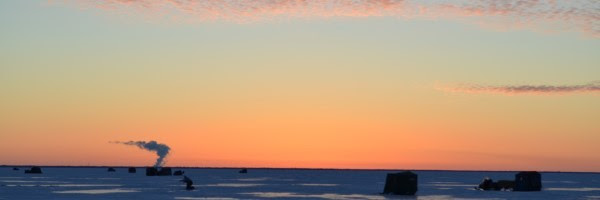
A soft orange sunset spreads over an iced-over lake with the dim outlines of ice fishing shanties dotting the skyline.

Get the experience and knowledge you need for ice fishing at the Outdoor Skills Academy Hard Water School!

Here are just a few of this week’s stories from the Michigan Department of Natural Resources:

See other news releases, Showcasing the DNR stories, photos and other resources at Michigan.gov/DNRPressRoom.

PHOTO FOLDER: Larger, higher-res versions of the images used below, and others, are available in this folder.


Photo ambassador snapshot: Ice garden in Grand Traverse

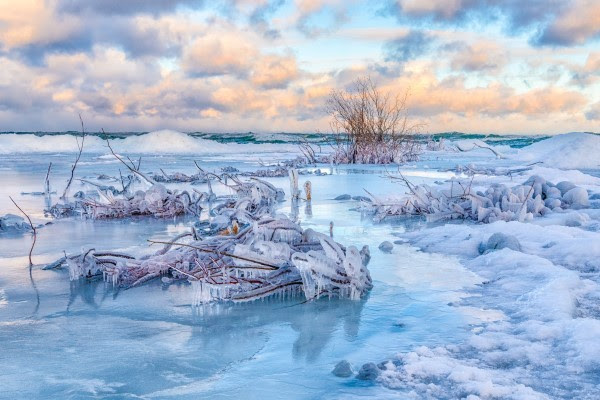
Bushes, trees and other vegetation on a Great Lakes shoreline are frozen in time, encapsulated by ice. Want to see more pictures like this, taken by Michigan state parks photo ambassador Sheen Watkins at Leelanau State Park in Leelanau County? Visit Instagram.com/MiStateParks to explore photos and learn more about the photo ambassadors! For more on the photo ambassador program, call Stephanie Yancer at 989-274-6182.

Nature Center Summit returns Feb. 10 with conservation knowledge from the experts

A digital graphic adverising the Nature Center Summit with supporting organizations' logos lined along the bottom.Nonformal educators at nature centers, zoos, camps and conservation districts teach thousands of Michigan residents about natural resources each year. Faculty members at Michigan colleges and universities also reach thousands of students in biology, zoology and other nature-related courses. But where do these naturalists, educators and professors get their information?
The idea behind the DNR’s first Nature Center Summit in 2019 was to bring together nonformal educators and higher education faculty for a daylong seminar about some of our state’s current conservation issues and trends.

“We really seek out speakers who are the best of the best when it comes to knowledge of Michigan natural resource topics,” said Jon Spieles, the DNR’s acting Marketing and Outreach Division chief and a planner of the original summit. “If you want to learn about any of our scheduled topics, these are the people best suited to present and answer questions you may have.”

After two years of virtual meetings due to COVID-19 precautions, the Nature Center Summit will convene in person once again at the Ralph A. MacMullan Conference Center on Higgins Lake, 9:45 a.m. to 4 p.m. Friday, Feb. 10. The cost is $25, which includes lunch. A hospitality package with lodging, dinner and breakfast is available for an additional cost.

Register and find more information about scheduled sessions at Michigan.gov/NatureCenterSummit.

If you’re looking for a full weekend of nature programming, the Michigan Alliance for Environmental and Outdoor Education will offer its Wildlife Weekend program beginning the evening of Friday, Feb. 10, and running through noon Sunday, Feb. 12.

While the Nature Center Summit targets nonformal educators, Wildlife Weekend is open to anyone interested in learning more about nature and the outdoors – participants can opt to either learn how Michigan wildlife withstands winter or try their hand at activities like snowshoeing and ice fishing.

Questions? Contact Kevin Frailey at 517-974-7941.


Best practices for ‘stress-free’ snowy owl viewing

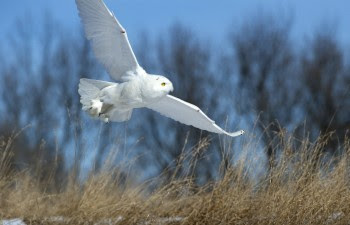
A snowy owl takes wing over a snow-dusted dune, the sun illuminating the blinding white of its feathers.Each winter, Michiganders get a chance to glimpse the large, magnificent snowy owl – and this species’ appearance across the state attracts a lot of attention. However, it’s important to remember that winter tends to be a stressful time for birds like the snowy owl.
Snowy owls spend most of their year in the Arctic tundra, far away from humans and urban landscapes. When they travel to populated areas in the winter, these new places present unfamiliar threats like curious humans, rodent poison, and vehicle and power line collisions. Moreover, they often do not display signs of fear toward humans. This can sometimes get them into harmful situations.

Keep the best interests of these majestic creatures in mind. Here are a few quick tips for viewing snowy owls to keep them stress-free and safe:

Give snowy owls space. A good rule of thumb is to view wildlife from a distance, using binoculars or a scope, rather than approaching. If you “flush” an owl, or cause it to move to a new area, you are too close and need to back away or leave. Even if the bird doesn’t seem to display signs of fear, it can still be scared and stressed by your presence.

Don’t lure owls with audio recordings. While it might be tempting to use audio recordings to attract snowy owls closer to you, hearing another owl’s call — even a recorded one — can be stressful for the bird. Snowy owls are solitary and territorial, and the call of another bird can put them on high alert.

Leave “live baiting” to the pros. Scientists and wildlife rehabbers use live bait like mice to entice owls for banding, relocation and rehabilitation. However, this practice can be dangerous for owls when it’s done by photographers, birders, or others. Baited owls learn to associate people with food, and may be drawn to dangerous places – like roads or airports – to find humans.

Submit your eBird observations to scientists but keep them hidden from the public. To prevent large gatherings of people and limit disturbing  snowy owls, keep your observations private. Here’s a step-by-step guide on how to keep your eBird checklist hidden.

By keeping these tips in mind, you can help snowy owls safely enjoy their wintering grounds here in Michigan.

Questions? Contact Erin Ford at 313-820-0809.


Panfish, pike and more: Learn ice fishing from the pros

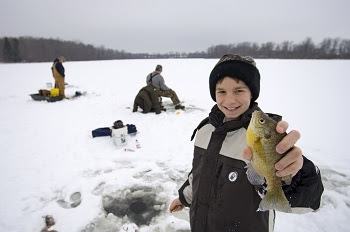
A young child with a beaming smile stands on a frozen lake and holds a panfish triumphantly.Are you yearning for time on the (frozen!) water and looking to get the best tips on targeting some of your favorite fish species? Look no further than upcoming weekend ice fishing clinics offered by the DNR’s Outdoor Skills Academy:
Everything starts at the Carl T. Johnson Hunting and Fishing Center, part of Mitchell State Park in Cadillac. These hands-on clinics focus on techniques for panfish, walleye and pike, with the advanced clinic taking a deeper dive and involving some quad or snowmobile use and the potential need to walk long distances.

The Hard Water Clinics are an excellent, inclusive way to get more familiar with fishing techniques and best practices. Check each clinic’s event page for information on registration, licensing, cost, timing, what to expect each day and other important details, and then get ready for a great day on the ice!

Anglers can get just about anywhere on a lake during the ice fishing season, something you can’t do without a boat during warmer months. Virtually every fish available to anglers in the summer can be caught through the ice – with panfish a popular species to target. When you’re ready to hit the ice on your own, view our fishing hot spots (explore by region) and plan your next adventure. Remember to visit Michigan.gov/IceSafety, too, so you’re prepared for any changing ice conditions.

Questions about Hard Water School or the Outdoor Skills Academy? Contact Ed Shaw at 231-779-1321.


Ride along with DNR conservation officers in new ‘Wardens’ episodes

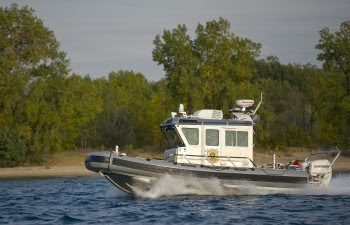
A conservation officer boat cruises past a small, wooded island while on an agitated river.What exactly goes into enforcing natural resources law around the state? If you’ve ever wondered, check out “Wardens” on the Outdoor Channel.
Last week’s episode featured Hot Boat Weekend at Hardy Dam and geocaching at Michigan state parks.

Episodes air on the Outdoor Channel every Friday at 9:30 p.m., Saturday at 5:30 a.m., Sunday at 3:30 p.m. and Monday at 10:30 a.m. (All times Eastern Standard).

To get the Outdoor Channel, talk to your local TV service provider or go to Outdoorchannel.com, myoutdoortv.com, Amazon Prime or call 1-855-44OUTDOOR.

WLUC FOX UP TV6 airs previous episodes every Sunday at 9:30 a.m.

The DNR partners with the Outdoor Channel to tell the story of our dedicated staff and the work they do to conserve Michigan’s natural resources, weaving important conservation messages into every storyline. More than 65 episodes have featured the state of Michigan and have had more than 35 million viewers!


ICYMI: NotMI species webinars – new year, new topics

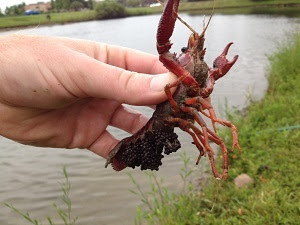
Red swamp crayfishAfter all the hubbub of the holidays, it can be a relief to get back to your daily routine. Rest assured, the NotMISpecies webinar series will be there, bringing a fresh schedule of programs for the new year.
In case you missed it, a new slate of webinars is coming up soon. Check out “If you can’t beat ’em, find something that will eat ’em” (Jan. 18), “Lobster mobsters” (Feb. 7) and “Rowing the boat: The Michigan Invasive Species Program 2022 year in review” (March 21), or go through the full library of recorded past webinars.


THINGS TO DO

Looking for a place to put your new hard water fishing skills to use or explore a new trail? Check out these fishing and trail opportunities curated by our convention and visitors bureau partners.

BUY & APPLY

If your cold-weather plans include time on your sled, make sure you’ve got a snowmobile trail permit and are up to speed on safety tips, trail etiquette, closures and other key information.

GET INVOLVED

Great outdoor experiences start with safety. If you’re an avid hunter, angler, boater or off-roader and want to share your expertise, consider signing up as a volunteer recreational safety instructor!

DNR announces new ‘free snowmobiling weekend’

DNR announces new ‘free snowmobiling weekend’

 
DNR banner with link to website

DNR News

Jan. 12, 2022

Contact: Ron Yesney, 906-228-6561 or John Pepin 906-226-1352

DNR announces new ‘free snowmobiling weekend’

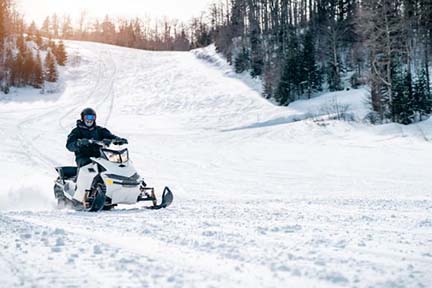
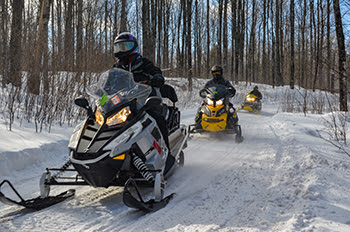
Snowmobilers are shown enjoying a trail ride in Gogebic County.Next month, the Michigan Department of Natural Resources will debut its free snowmobiling weekend, which will allow snowmobilers to operate their machines over a two-day period without the requirement of a snowmobile registration or trail permit.
The dates for the free snowmobiling weekend are Feb. 11-12.

The Michigan Legislature approved bills requiring the DNR to offer the weekend, saying it will allow experienced riders to bring along friends new to the sport who may get hooked on the experience for a lifetime.

Michigan also offers Free ORV and Free Fishing weekends each year.

“Free Snowmobiling Weekend is a great opportunity for those that haven’t dusted off their snowmobiles to jump on the trails,” said Ron Olson, chief of the DNR Parks and Recreation Division. “It’s also a great time for out-of-state visitors to come explore thousands of miles of trails found in the Upper and Lower peninsulas.

During these weekends, the requirement of a license, registration or trail permit is suspended, but operators and anglers must still adhere to all regulations and rules governing these activities.

For more information on snowmobiling in Michigan, including trail maps, visit Michigan.gov/Snowmobiling.


Note to editors: An accompanying photo is available below for download. Caption information follows. Credit: Michigan Department of Natural Resources, unless noted otherwise.

Riding: Snowmobilers enjoy a trail ride in Gogebic County.

Snowmobilers cautioned to watch for watery trail hazards

Snowmobilers cautioned to watch for watery trail hazards

 
DNR banner with link to website
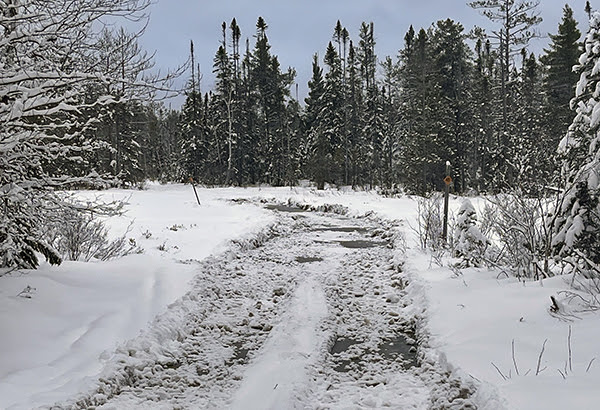
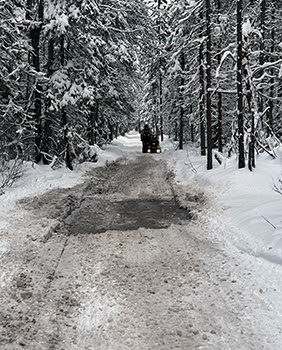
A large water hole is shown across a lengthy section of snowmobile trail.

DNR News

Jan. 12, 2023

Contact: Ron Yesney, 906-228-6561 or Peter Costa, 906-630-0513

Snowmobilers cautioned to watch for watery trail hazards

A rider stops a snowmobile after a water hole across a snowmobile trail.Michigan Department of Natural Resources trail officials are urging snowmobilers to watch out for watery hazards along some state trails.

“There are still wet areas that are normally frozen by this time of year and there are wet areas that are not normally wet at all,” said Peter Costa, eastern Upper Peninsula trail specialist for the DNR’s Parks and Recreation Division. “Most areas still have good riding, but there are spots riders need to be careful and aware of.”

The situation highlights one of the tenets of riding best practices and that is to “know before you go.” Checking with websites or social media pages generated by local snowmobile trail clubs can be a great source of local information on trail conditions.

Another place to check would be the DNR’s trail reports page.

Over the next few days, unseasonably warm temperatures are forecasted for much of the Upper Peninsula and parts of the northern Lower Peninsula.

In general, snowmobilers are reminded of ways to safely “ride right” along the state’s more than 6,000 miles of snowmobile trails:

  • Ride at a safe speed.
  • Ride sober.
  • Ride on the right.
  • Ride within your abilities.
  • Watch out, and move over, for trail groomers.

Find out more about snowmobiling at the DNR’s snowmobiling and DNR closures webpages.


Note to editors: Accompanying photos are available below for download. Caption information follows. Credit: Michigan Department of Natural Resources.

Trail: A lengthy patch of water, slush and ice is shown along a trail in the eastern Upper Peninsula.

Water: A snowmobiler stops along a trail after passing through a watery hole.